April 21, 2026

marketing

Branding iron bondurant represents a fascinating intersection of tradition and modernity, showcasing how a seemingly simple tool has deep historical roots and significant contemporary applications. It’s not just about marking livestock or leather; branding irons embody the identity and values of businesses across various industries.

This article explores the craftsmanship behind branding irons, their role in shaping brand identity, and how they continue to evolve in the business world. From their materials and design to their innovative uses, branding irons are more than just functional items; they are powerful symbols of brand loyalty and recognition.

Branding Iron
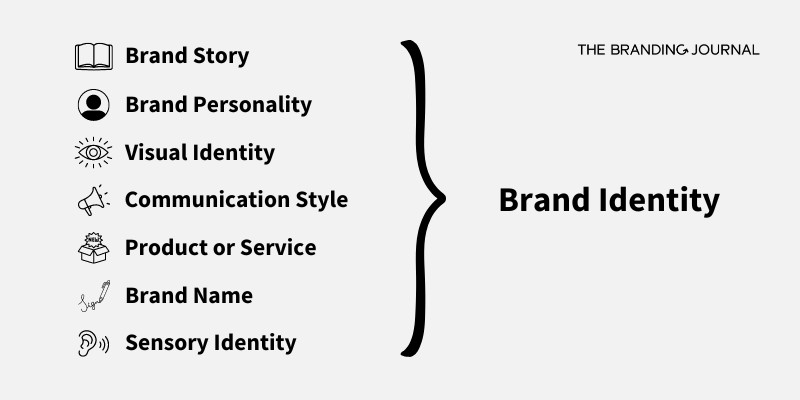
What Is Brand Identity? | The Branding Journal

The branding iron, a tool with deep historical roots, has played a pivotal role in various industries, symbolizing ownership and identity. Historically, branding irons were used to mark livestock, serving as a way for ranchers to identify their animals. This method of branding has evolved over the centuries, but its core purpose remains largely unchanged—recognizing ownership while establishing a visual identity.The application of branding irons extends beyond livestock; they are also utilized in leatherwork, woodworking, and metalwork.

In livestock, a heated branding iron creates a permanent mark on the animal’s hide, which is essential for identification during cattle drives or auctions. Similarly, in the leather industry, artisans use branding irons to imprint logos or designs onto their products, adding value and authenticity. Metalworkers employ branding irons to stamp metal pieces, ensuring quality and traceability of their work.

Each of these practices not only reinforces ownership but also enhances the perceived value of the products.

Psychological Impact of Branding

Branding influences consumer perception and loyalty significantly, forming a psychological connection between consumers and products. A well-executed branding strategy cultivates trust and recognition in the marketplace, often leading to increased consumer loyalty. The psychological principles at play include:

  • Recognition: A brand that is consistently presented becomes easily recognizable, allowing consumers to identify it quickly amidst competition.
  • Trust: Familiar brands tend to foster trust among consumers, as repeated exposure creates a sense of reliability and security.
  • Emotional Connection: Brands often evoke emotions through storytelling and visual identity, making consumers feel more connected to them.
  • Perceived Value: Strong branding creates a perception of quality and value, influencing consumers’ willingness to pay a premium price.

The implications of these psychological factors are profound. For instance, a study by Nielsen revealed that 59% of consumers prefer to buy new products from brands they are familiar with, highlighting the importance of brand image and recognition in influencing purchasing decisions. Additionally, companies like Apple leverage their branding by cultivating an image of innovation and quality, resulting in a fiercely loyal customer base that often chooses Apple products over competitors, despite higher price points.In conclusion, the branding iron serves as a tool of identification that has evolved, but its significance remains strong in various industries.

The psychological impact of branding, rooted in recognition, trust, and emotional connection, plays a crucial role in consumer behavior and loyalty.

The Craftsmanship of Branding Irons

The craftsmanship involved in creating branding irons is a blend of artistry, precision, and durable materials. This process not only ensures functionality but also enhances the aesthetic appeal of the branding iron itself, making it a valuable tool for both artisans and businesses. Understanding the components and techniques used in crafting these tools sheds light on their significance in branding practices.The materials commonly utilized in the production of branding irons include high-grade steel, copper, and brass.

Steel is the preferred choice due to its strength and durability, which allows it to withstand high temperatures without warping. Copper, on the other hand, is often used for its excellent heat conductivity, ensuring a consistent temperature across the branding surface. Brass, known for its corrosion resistance, can also be employed, particularly for decorative branding irons. The combination of these materials contributes to the longevity and effectiveness of the branding tools.

Techniques for Creating Custom Branding Irons

The crafting of custom branding irons involves several intricate techniques that ensure each tool is tailored to the specific needs of the user. The most common methods include:

  • Hand-Engraving: This technique involves manually carving the desired design into the branding surface. Artisans use specialized tools to create intricate details, allowing for a high level of customization.
  • CNC Machining: Computer Numerical Control (CNC) machining enables precise cutting and shaping of materials based on digital designs. This method guarantees consistency and accuracy in mass production.
  • Laser Engraving: This modern technique uses lasers to etch designs onto branding irons. It provides high-resolution details and can quickly adapt to different designs, making it ideal for custom orders.

Each of these techniques reflects a commitment to quality and customization, ensuring that the finished product meets specific branding requirements.

Importance of Precision and Design

Precision and design play a critical role in the effectiveness of branding irons. A well-designed branding iron not only enhances the visual appeal of the brand but also ensures that the branding process is efficient and clear.

“The hallmark of a quality branding iron is its ability to deliver a crisp and clear impression on various surfaces.”

A precise design ensures that the branding iron can produce a consistent mark every time it is applied, which is vital for maintaining brand identity. Furthermore, the aesthetics of the branding iron itself can influence customer perceptions. A beautifully crafted branding iron can elevate the overall branding strategy, making the brand more memorable.The combination of quality materials, advanced techniques, and meticulous design results in branding irons that effectively serve their purpose while embodying the brand’s identity and values.

Brand Identity and Its Relation to Branding Irons

Brand identity is an essential component of a company’s overall image and reputation, shaping how customers perceive and interact with a brand. Branding irons play a crucial role in establishing and reinforcing this identity, serving as tangible representations of a brand’s values and quality. By imprinting a logo or distinctive mark onto products, businesses can create a lasting impression that resonates with consumers and differentiates them from competitors.Branding irons contribute significantly to a company’s brand identity by providing a physical manifestation of the brand’s ethos.

They are not merely tools for marking products; they symbolize craftsmanship, quality, and authenticity. When a customer sees a product branded with a company’s logo, it sends a message about the brand’s commitment to its identity and values.

Successful Brands Utilizing Branding Irons

Several successful brands have integrated branding irons into their marketing strategies, enhancing their brand identity and customer loyalty. Here are notable examples:

  • YETI: Known for its premium outdoor products, YETI uses branding irons to emboss its logo onto coolers and drinkware. This not only signifies quality but also strengthens customer attachment to the brand’s rugged outdoor image.
  • Timberland: Timberland employs branding irons to mark its leather goods, emphasizing the craftsmanship and durability associated with its products. This branding method aligns perfectly with Timberland’s commitment to environmental sustainability and quality.
  • Reynolds Wrap: The iconic aluminum foil brand uses branding irons for promotional events, where they brand barbecue items with their logo. This creates a memorable association between their product and outdoor cooking, enhancing brand visibility.

Visual Consistency Across Products

Branding irons not only help in establishing a unique identity but also play a vital role in ensuring visual consistency across a brand’s product line. This consistency is crucial for building brand recognition and trust among consumers. When customers can easily identify a brand through its unique markings, it reinforces their loyalty and preference.The use of branding irons allows companies to maintain a uniform look across different items, creating a cohesive brand experience.

For instance, a food product branded with an emblem not only showcases the brand but also signifies a promise of quality and authenticity. This visual consistency can be observed in various industries, including:

  • Craftsmanship Products: Artisans often use branding irons to imprint their logo on handmade goods, such as furniture or leather products. This not only provides a signature touch but also emphasizes the uniqueness of each item as part of the brand’s identity.
  • Fashion Industry: Clothing brands often employ branding irons to mark leather tags on garments, ensuring that each piece stands out while still being part of a unified collection. This strategy enhances brand recognition among consumers.
  • Food and Beverage: Many breweries and distilleries use branding irons to mark barrels or bottles, reinforcing their brand’s authenticity and tradition, which are vital components of their identity.

The Process of Designing a Branding Iron

Designing a branding iron is an art that marries creativity with craftsmanship. It involves several key steps, transforming an idea into a tangible product that effectively represents a brand. The design process is critical in ensuring that the final branding iron not only looks appealing but also embodies the values and mission of the brand it represents.The process begins with brainstorming ideas, followed by sketching and prototyping, and culminates in creating the final branding iron.

Each step requires careful consideration of the brand’s identity, the target audience, and the practical aspects of the branding iron’s use.

Steps Involved in Designing a Branding Iron

The design of a branding iron can be broken down into several important steps. Each step plays a crucial role in ensuring the final product meets the expectations of the brand and its consumers.

1. Research and Concept Development

Understanding the brand’s core values, mission, and target audience is vital. This stage involves gathering inspiration and defining the overall design direction.

2. Sketching and Initial Designs

Creating initial sketches that reflect the concepts gathered during research. This can include various styles and layouts.

3. Feedback and Revisions

Sharing initial designs with stakeholders for feedback. This is an iterative process where revisions are made based on constructive criticism.

4. Final Design Approval

Selecting the most suitable design after multiple rounds of feedback, ensuring it aligns with the brand’s identity.

5. Material Selection

Choosing the right materials for durability and effectiveness, which plays a vital role in the branding process.

6. Manufacturing and Testing

Creating a prototype branding iron and testing it for effectiveness and clarity of the brand mark.

7. Final Production

After successful testing, the final branding iron is produced, ready for use.This systematic approach ensures a well-thought-out branding iron that accurately reflects the brand’s essence.

Materials, Tools, and Techniques

Selecting the right materials, tools, and techniques is essential in the branding iron design process. Below is a table that Artikels these components, providing insight into what goes into creating a high-quality branding iron.

Materials Tools Techniques
Brass Laser Cutter Etching
Steel Forging Hammer Stamping
Aluminum 3D Printer 3D Modeling
Wood (for handles) Welding Equipment Sanding and Finishing

Understanding these materials, tools, and techniques enables designers to make informed choices that enhance the quality and functionality of the branding iron.

Tips for Effective Brand Representation

To ensure that a branding iron effectively represents a brand’s values and mission, consider the following tips:

Align Design Elements with Brand Identity

Every element, such as shapes, fonts, and symbols, should resonate with the brand’s personality. For instance, a modern tech company may prefer sleek, minimalist designs, while a rustic farm brand might opt for traditional shapes and earthy colors.

Simplicity is Key

A simple design often translates better when burned onto surfaces. Avoid overcrowding the branding iron with excessive details that may not be clear when stamped.

Test the Branding Iron

Conduct tests on various materials to see how the design holds up. This provides insights into adjustments that may be necessary for clarity and impact.

Seek Diverse Feedback

Before finalizing the design, getting opinions from a diverse group of people can provide valuable insights into how the branding iron is perceived.

Consider Longevity and Practicality

Ensure the design is not only visually appealing but also practical for its intended use. A branding iron should be easy to handle and produce a clear mark consistently.Incorporating these tips into the design process can help create a branding iron that not only looks good but also serves its purpose effectively in representing the brand.

Applications of Branding Irons in Modern Business

In today’s competitive market, branding irons have evolved from their traditional use into innovative applications that significantly enhance brand identity. Businesses are now leveraging branding irons not only for marking products but also as part of their overall marketing strategy to create a memorable brand experience for their customers.Branding irons are making waves across various industries, offering unique advantages that go beyond mere logos on products.

Companies are incorporating branding irons into diverse applications such as packaging, promotional items, and even interactive experiences at events. This section delves into these innovative uses, compares their effectiveness with other branding techniques, and showcases successful case studies.

Innovative Uses of Branding Irons

Branding irons are now utilized in various creative ways that engage customers and enhance brand recognition. Some notable applications include:

  • Food Industry: Restaurants and catering services are using branding irons to imprint their logos on grilled meats, baked goods, and artisanal cheeses. This not only adds a unique touch but also reinforces brand identity through culinary experiences.
  • Promotional Products: Companies are branding merchandise like leather goods, wooden crafts, or even textiles with customized branding irons. This technique adds a personal touch that resonates with consumers, enhancing perceived value.
  • Event Marketing: At trade shows and promotional events, businesses are utilizing branding irons to create live demonstrations of branding techniques. This interactive approach captivates audiences and showcases the craftsmanship behind their products.
  • Custom Packaging: Businesses are incorporating branding irons into their packaging strategies, enhancing boxes, bags, or wrapping materials with embossed logos or designs. This not only improves aesthetics but also creates a memorable unboxing experience.

Cost and Impact Comparison

When evaluating the effectiveness of branding irons versus other branding techniques, both cost and impact are critical factors to consider. Branding irons are a cost-effective solution for businesses aiming to create a lasting impression without overspending on marketing strategies. Compared to processes such as screen printing or digital printing, branding irons often require less initial investment and can be reused multiple times, leading to lower long-term costs.Branding irons also provide a tactile experience that enhances consumer interaction, unlike digital branding techniques which may lack physical engagement.

The durability and permanence of a branding iron’s imprint can make a significant impact on product perception. Customers are more likely to remember a product that bears a tangible mark of quality, enhancing brand recall.

“A well-crafted branding iron can create not just a mark but a memory, setting your products apart in a crowded marketplace.”

Case Studies of Successful Implementations

Several businesses have successfully integrated branding irons into their strategies, showing impressive results in product differentiation and brand loyalty.

  • Craft Distillery: A local distillery began branding their whiskey barrels with their logo using a custom branding iron. This not only distinguished their product but also communicated their commitment to quality craftsmanship. The branding became a talking point, helping increase sales and customer engagement.
  • Artisan Bakery: An artisan bakery used branding irons to imprint their logo on freshly baked loaves of bread. This innovative technique attracted media attention and drew in customers who appreciated the artisanal approach to baking, leading to a significant increase in foot traffic and online orders.
  • Outdoor Gear Company: An outdoor gear company utilized branding irons on their leather products, emphasizing their rugged and high-quality materials. This strategy helped position the brand as premium, resulting in higher sales and brand loyalty among outdoor enthusiasts.

Legal Considerations and Regulations

The use of branding irons involves various legal aspects that businesses must navigate to ensure compliance with trademark laws and intellectual property rights. Understanding these elements is crucial, as misuse can lead to legal disputes and significant financial implications.Trademark issues arise when businesses use branding irons to mark their products or property with logos or designs that may infringe on existing trademarks.

It is vital for companies to conduct thorough research to confirm that their branding designs do not conflict with registered trademarks. This helps avoid legal challenges that could arise from trademark infringement.

Importance of Registration and Protection of Branding Designs

Registering branding designs and logos is a proactive measure that offers several legal protections. By registering a trademark, businesses gain exclusive rights to use the branding in connection with their goods or services, preventing others from using similar marks that may cause confusion among consumers. The registration process involves submitting an application to the relevant governmental authority, often accompanied by a fee.Key benefits of trademark registration include:

  • Legal Presumption of Ownership: Registration provides a presumption of ownership and exclusive rights to use the mark in commerce.
  • Deterrence Against Infringement: A registered trademark is easier to enforce against unauthorized use, deterring potential infringers.
  • Nationwide Protection: Registration grants protection across the entire country, allowing businesses to expand without fear of infringing on local marks.
  • Increased Value: A registered trademark can enhance the overall value of a business, making it more attractive to investors and potential buyers.

Consequences of Misusing a Branding Iron in Business

Misusing a branding iron can lead to severe legal repercussions. Businesses that inaccurately represent their products or falsely claim ownership of a brand can face lawsuits, resulting in hefty fines and damage awards. Moreover, the loss of consumer trust can have a long-term negative impact on brand reputation.Consequences include:

  • Legal Penalties: Infringing on another entity’s trademark can result in civil lawsuits, leading to financial penalties and loss of branding rights.
  • Cease and Desist Orders: A business may be ordered to stop using a branding iron if it is found to infringe on another’s trademark.
  • Loss of Business Relationships: Partners and suppliers may terminate relationships with businesses embroiled in trademark disputes, leading to decreased sales.
  • Rebranding Costs: If a branding iron is deemed infringing, the financial burden of rebranding can be significant, including redesigning logos and marketing materials.

Understanding and adhering to legal considerations surrounding branding irons is essential for maintaining a reputable and sustainable business.

Future Trends in Branding Irons

As the branding iron industry evolves, several trends are emerging that reflect the growing demand for customization, technological advancements, and changing branding practices. This section explores these trends and their implications for businesses and consumers alike, highlighting the interplay between tradition and innovation in branding.

Emerging Trends in Customization

The customization of branding irons is becoming increasingly sophisticated, driven by the desire for uniqueness among brands. Consumers and businesses alike want tools that allow them to create distinct identities.

  • Personalized Designs: There is a significant push toward offering personalized branding irons that can be customized not just in terms of the logo but also in design intricacies, allowing for a more tailored experience.
  • Varied Materials: Future branding irons are likely to be made from a variety of materials beyond traditional steel, including wood and composite materials, which can offer different aesthetic and functional qualities.
  • User-Defined Features: Users may have the ability to define specific features such as size, shape, and heating options, allowing for a highly tailored tool that meets their specific branding needs.

Impact of Technology on the Branding Iron Industry

Technological advancements are poised to revolutionize the branding iron industry, changing how these tools are designed, manufactured, and utilized.

  • 3D Printing: The adoption of 3D printing technology is enabling faster and more accurate production of branding irons, allowing for complex designs that were previously difficult or impossible to achieve through traditional manufacturing methods.
  • Digital Design Software: Enhanced design software is allowing consumers to visualize branding iron concepts before they are produced, ensuring that the final product meets their expectations precisely.
  • Smart Branding Irons: The development of smart branding irons that can connect to mobile apps will allow users to control temperature settings and timing remotely, ensuring consistent branding quality.

Evolution of Branding Practices in Relation to Branding Irons

Branding practices are expected to evolve significantly as businesses adapt to changing consumer preferences and technological advancements.

  • Integration of Branding Across Platforms: Companies will look to integrate branding efforts across multiple platforms, using branding irons not just for physical products, but also as part of a broader digital branding strategy.
  • Focus on Sustainability: As sustainability becomes a key concern for consumers, there is likely to be an increased demand for environmentally friendly branding irons made from sustainable materials and processes.
  • Brand Storytelling: Branding irons may be used as tools for storytelling, where the act of branding becomes an experience that conveys the brand’s narrative and values, further connecting to consumer emotions.

Conclusion

In conclusion, branding iron bondurant highlights the enduring appeal and importance of branding in today’s competitive market. As businesses continue to innovate and adapt, the branding iron remains a vital tool that not only marks products but also signifies quality, trust, and authenticity. The journey of branding irons is far from over; it is a narrative that promises to unfold with new trends and technologies in the future.

Answers to Common Questions

What materials are branding irons made from?

Branding irons are typically made from metals like steel or brass, which can withstand high temperatures and provide durability.

How do I choose the right design for my branding iron?

Consider your brand identity, target audience, and the message you want to convey when selecting a design for your branding iron.

Can branding irons be used on all types of materials?

Branding irons are most effective on materials like leather, wood, and certain metals, but their effectiveness can vary depending on the material’s properties.

Are there any legal limitations when using branding irons?

Yes, businesses should ensure that their branding designs do not infringe on existing trademarks and must consider intellectual property rights.

How can branding irons enhance my marketing strategy?

Branding irons help create a unique brand identity, build customer loyalty, and differentiate products in a crowded marketplace.

Branding isn’t just about logos and slogans; it’s the essence of a company’s identity. It’s the unique story that resonates with customers, building trust and recognition. Understanding branding helps you grasp how businesses connect with their audience on a deeper level, creating lasting impressions.

This guide simplifies the complex world of branding, breaking down its key elements and strategies. We’ll explore how successful brands build lasting connections and achieve market differentiation, from defining core values to crafting a compelling brand story.

Defining Branding in Simple Terms

Branding is essentially how a company or product is perceived by the public. It’s about creating a unique and memorable identity that sets it apart from competitors. This identity is built on various elements, including a logo, colors, messaging, and overall personality. A strong brand resonates with consumers, fosters loyalty, and ultimately drives business success.Essentially, branding is about creating a consistent and positive image in the minds of customers.

This image encompasses everything from the company’s values and mission to its products or services. It’s the story a company tells about itself, and how it wants to be perceived.

Simple Definition of Branding

Branding is the process of creating a unique identity for a company, product, or service. This identity encompasses everything from a company’s name and logo to its values, mission, and the overall experience it offers to customers. A strong brand creates a lasting impression and fosters customer loyalty.

Examples of Effective Branding

Several brands effectively communicate their identity. Nike, for instance, is known for its athleticism and empowering messages, often depicted through powerful imagery and slogans. Apple, on the other hand, emphasizes innovation, sleek design, and user-friendly technology. These brands have successfully built a strong image in the minds of consumers, leading to brand loyalty and recognition. Other notable examples include Coca-Cola, known for its timeless imagery and global reach, and Disney, renowned for its family-friendly entertainment and magical experiences.

Branding vs. Other Concepts

Concept Description Key Difference from Branding
Marketing Marketing encompasses all activities aimed at promoting a product or service to potential customers. Branding focuses on

  • creating* the identity, while marketing
  • communicates* and
  • promotes* that identity.
Advertising Advertising is a specific subset of marketing, using paid media channels to promote a product or service. Branding is broader than advertising; it’s about establishing the overall image and reputation, while advertising is a tool within the marketing mix to achieve branding goals.

Branding is a crucial aspect of a company’s overall strategy. It goes beyond just the product itself, encompassing the entire customer experience and establishing a unique position in the market. While marketing and advertising are important tools for communicating the brand, branding itself is the foundation upon which successful marketing and advertising campaigns are built.

Key Elements of a Brand

A brand is more than just a logo or a catchy slogan. It’s a complex tapestry woven from various elements that collectively create a unique identity in the minds of consumers. Understanding these elements is crucial for building a strong and enduring brand. This section will explore the core components of a brand and their significance in shaping brand perception.Brand identity is built upon a foundation of core components.

These elements, when skillfully integrated, create a cohesive and memorable brand experience. They act as touchpoints that connect with consumers, fostering trust, recognition, and ultimately, loyalty.

Core Brand Components

Several key elements contribute to a brand’s overall identity. These include, but are not limited to, a distinctive logo, a concise mission statement, and a set of guiding values. Each plays a vital role in shaping the brand’s personality and resonating with target audiences.

  • Logo: A logo is a visual representation of a brand. It’s a powerful symbol that instantly communicates the brand’s essence and personality. A well-designed logo is memorable, versatile, and adaptable across various media, from business cards to billboards. A memorable logo, like the Nike swoosh, is instantly recognizable, reinforcing brand recognition and recall.
  • Mission Statement: A mission statement defines the brand’s purpose and its reason for existence. It Artikels the brand’s goals and aspirations, providing direction for all actions and decisions. A clear mission statement guides the brand’s strategy and actions, ensuring consistency in its messaging and offerings.
  • Values: A brand’s values are the fundamental principles that guide its operations and interactions. They represent the brand’s character and commitment to ethical practices. Values like sustainability, transparency, or customer satisfaction shape the brand’s reputation and cultivate trust with consumers. For example, a brand emphasizing sustainability will attract environmentally conscious customers.

Brand Personality

A brand’s personality is the human-like qualities that are associated with the brand. This is often communicated through the visual elements, tone of voice, and overall messaging. Different types of brand personalities cater to various consumer preferences. For example, a playful brand might attract younger consumers, while a sophisticated brand might appeal to a more mature audience.

  • Playful: This personality is characterized by lightheartedness and a sense of fun. Brands often use humor and lightheartedness to engage their target audience.
  • Sophisticated: This personality conveys elegance, luxury, and high quality. The brand often uses sophisticated imagery and messaging to appeal to a premium-oriented audience.
  • Trustworthy: This personality is built on reliability and honesty. Brands that cultivate a trustworthy image often emphasize transparency and ethical practices. This is vital in building consumer trust.

Relationship Between Brand Elements and Consumer Experience

The table below illustrates how different brand elements contribute to the overall consumer experience.

Brand Element Description Impact on Consumer Experience
Logo Visual representation of the brand Instant recognition, first impression, brand recall
Mission Statement Brand’s purpose and goals Understanding brand direction, aligning with values
Values Fundamental principles of the brand Building trust, fostering loyalty, shaping perception
Brand Personality Human-like qualities of the brand Emotional connection, consumer preference

Importance of Branding

A strong brand isn’t just a logo or a catchy slogan; it’s the foundation upon which a successful business is built. Effective branding goes beyond aesthetics, shaping how customers perceive and interact with a company. It’s a crucial element in achieving market differentiation and fostering lasting customer relationships.Branding significantly impacts a company’s overall success, influencing everything from customer loyalty to sales figures.

A well-defined brand identity can make a business stand out in a crowded marketplace, build trust with consumers, and ultimately drive profitability.

Crucial for Business Success

A strong brand is fundamental for business success in today’s competitive landscape. It acts as a consistent and recognizable symbol that resonates with customers, creating a memorable experience. This familiarity fosters trust and encourages repeat business.

Differentiating from Competitors

A compelling brand identity sets a business apart from competitors. In a market saturated with similar products or services, a unique brand story, visual identity, and customer experience can establish a business as a desirable choice. For example, Apple’s sleek design and user-friendly interface distinguish it from other tech companies, while Nike’s focus on athleticism and motivation creates a distinct brand image.

Building Customer Loyalty

Strong branding fosters customer loyalty. When customers connect with a brand’s values, mission, and personality, they are more likely to become repeat buyers and brand advocates. This loyalty translates into long-term relationships, positive word-of-mouth referrals, and a sustainable customer base. For example, companies like Starbucks cultivate customer loyalty through their consistent brand experience, from the ambiance of their stores to the quality of their coffee.

Increasing Customer Trust and Recognition

A recognizable and trustworthy brand builds customer confidence. Customers are more likely to choose a brand they recognize and trust, especially when faced with several options. Consistent branding reinforces this trust, creating a reliable association in the minds of customers. For instance, companies like Coca-Cola have built a recognizable brand that consistently generates consumer confidence and trust. Their enduring brand identity has contributed to their global recognition and market dominance.

Branding Strategy Explained

A strong branding strategy is the roadmap that guides a company’s brand-building efforts. It Artikels how a brand will be positioned in the market, how it will communicate its value proposition, and how it will interact with its target audience. A well-defined strategy ensures consistent messaging and brand experience across all touchpoints, fostering brand recognition and loyalty.A comprehensive branding strategy goes beyond just a logo and color palette.

It delves into the core values, mission, and vision of the company, translating them into tangible actions and marketing strategies. It anticipates potential challenges and opportunities, allowing the brand to adapt and evolve over time.

Key Elements of a Branding Strategy

A successful branding strategy integrates various elements to create a cohesive and compelling brand identity. These elements are intertwined and work together to achieve the desired brand image.

Steps in Developing a Successful Branding Strategy

Crafting a successful branding strategy is a multi-step process. It requires careful planning, market research, and a clear understanding of the target audience.

  1. Market Research and Analysis: Thorough market research is crucial to understanding the target audience, competitors, and market trends. This step involves analyzing consumer behavior, preferences, and needs, identifying competitor strengths and weaknesses, and understanding the prevailing market trends.
  2. Defining Brand Identity: This phase involves articulating the brand’s core values, mission, and vision. It encompasses defining the brand’s personality, voice, and visual identity (logo, color palette, typography). This forms the bedrock of the brand’s identity and guides all subsequent decisions.
  3. Target Audience Segmentation: Understanding the target audience is essential. This involves identifying key demographics, psychographics, and behaviors to tailor the brand message and marketing efforts effectively.
  4. Competitive Analysis: Identifying competitors and analyzing their strengths and weaknesses is vital. Understanding the competitive landscape allows a brand to position itself effectively and differentiate itself from competitors.
  5. Brand Positioning Statement: This statement encapsulates the unique value proposition of the brand. It highlights what makes the brand stand out and resonates with the target audience. For example, a brand might position itself as the most innovative, affordable, or reliable option in its market segment.
  6. Brand Messaging and Communication Strategy: Defining how the brand will communicate its value proposition across different channels (website, social media, advertising). Consistent messaging is crucial to building brand recognition and trust.
  7. Brand Guidelines: Creating a set of guidelines for all brand elements, ensuring consistency in appearance and messaging across all touchpoints. This includes logo usage, color palettes, typography, and brand voice.
  8. Implementation and Evaluation: Putting the strategy into action and continuously monitoring its effectiveness. This includes tracking key performance indicators (KPIs) to measure the impact of the strategy and making necessary adjustments.

Importance of Market Research in Crafting a Relevant Branding Strategy

Market research provides invaluable insights into the target audience, competitive landscape, and market trends. This information is critical in developing a relevant branding strategy. A deep understanding of consumer preferences, competitor activities, and industry dynamics enables a brand to tailor its messaging and positioning to resonate with its target audience and achieve its objectives. For instance, a company launching a new product should thoroughly research the existing market to identify unmet needs and potential consumer preferences before developing its branding strategy.

Step-by-Step Guide for Creating a Branding Strategy

This guide provides a structured approach to developing a comprehensive branding strategy:

  1. Conduct thorough market research. Analyze consumer behavior, competitor activities, and market trends to gain a deep understanding of the target audience and competitive landscape.
  2. Define the brand’s core values, mission, and vision. Articulate the brand’s personality, voice, and visual identity.
  3. Segment the target audience. Identify key demographics, psychographics, and behaviors to tailor messaging and marketing efforts.
  4. Analyze the competition. Identify competitor strengths and weaknesses to position the brand effectively.
  5. Craft a clear brand positioning statement. Highlight the brand’s unique value proposition.
  6. Develop a communication strategy. Define how the brand will communicate its value proposition across different channels.
  7. Create brand guidelines. Establish consistent brand elements across all touchpoints.
  8. Implement and monitor the strategy. Track KPIs to measure effectiveness and make necessary adjustments.

Building a Brand Identity

Crafting a compelling brand identity is a crucial step in establishing a strong and recognizable presence in the market. A well-defined brand identity goes beyond a logo; it encompasses the core values, personality, and visual elements that distinguish a company from its competitors. It’s the promise a brand makes to its customers, and a consistent identity helps deliver on that promise.A successful brand identity resonates with its target audience, creating a lasting impression and fostering brand loyalty.

This process requires careful consideration of various elements and a commitment to maintaining consistency across all platforms. It’s a journey of self-discovery and articulation for the brand, ultimately leading to a unique and recognizable identity that customers can trust and connect with.

Creating a Unique Brand Identity

Developing a unique brand identity involves understanding your target audience, defining your brand values, and articulating your brand’s personality. It’s a process that often requires market research, competitor analysis, and creative brainstorming sessions. A well-defined identity should clearly communicate your brand’s essence and purpose. It should also resonate with the values and aspirations of your target customers.

Examples of Successful Brand Identity Development

Numerous brands have successfully leveraged their brand identity to achieve market leadership. Apple, known for its minimalist aesthetic and user-friendly products, has a strong brand identity that consistently resonates with its target market. Similarly, Nike’s focus on athleticism, empowerment, and innovation has created a powerful brand identity that connects with athletes and aspirational consumers worldwide. These brands understand their target audience and have crafted identities that speak directly to those needs and desires.

Significance of Brand Consistency Across All Platforms

Brand consistency is paramount in building recognition and trust. A consistent brand experience across all touchpoints—website, social media, packaging, customer service—is vital for creating a unified and memorable brand image. Inconsistency can confuse customers and erode the brand’s credibility. This is why maintaining a cohesive brand identity is essential for fostering customer loyalty and driving business growth.

Think of it like a consistent narrative; each touchpoint contributes to the overall story.

Brand Voice and Tone

Brand voice and tone encompass the style and personality of your brand’s communication. A strong brand voice is essential for creating a clear and recognizable identity that speaks to the target audience. This involves defining the language, style, and overall approach your brand uses when communicating with customers. For example, a tech company might use a modern, concise, and informative tone, while a clothing brand might use a more playful, inspirational, and trend-focused approach.

These elements influence how customers perceive and engage with your brand.

Brand Positioning and Target Audience

Positioning a brand effectively is crucial for success in any market. It involves defining the unique value proposition of a brand and how it will be perceived by its target audience. Understanding the target audience is equally important, as it allows the brand to tailor its messaging and strategies to resonate with the specific needs and desires of this group.

The interplay between brand positioning and target audience is fundamental to effective marketing and long-term brand growth.Understanding the target audience is paramount for developing a successful brand positioning strategy. A well-defined target audience allows for focused messaging and tailored marketing campaigns. A clear brand position, in turn, helps in effectively reaching the target audience with the right message, thereby increasing engagement and conversion rates.

How to Position a Brand

Brand positioning involves creating a distinct and memorable image of a brand in the minds of consumers. This involves highlighting the unique value proposition that sets the brand apart from competitors. Positioning strategies should be carefully considered and consistently applied across all marketing materials and customer interactions. A strong brand position helps establish a unique identity that resonates with the target audience and reinforces brand loyalty.

Importance of Understanding the Target Audience

Understanding the target audience is essential for tailoring messaging and campaigns. Market research and analysis can provide valuable insights into the demographics, psychographics, needs, and preferences of the target audience. This information informs the brand’s communication style, product development, and overall brand experience.

Correlation Between Brand Positioning and Target Audience

The correlation between brand positioning and target audience is symbiotic. A brand’s position needs to be directly aligned with the needs and desires of its target audience. Effective positioning attracts the right customers, while a clear understanding of the target audience helps to shape the brand’s identity and message. For example, a brand positioning itself as a luxury product for young professionals will likely resonate less with a target audience of budget-conscious families.

How Brand Positioning Influences Marketing Strategies

Brand positioning significantly influences marketing strategies. The marketing messages, channels, and tactics should align with the chosen brand position and resonate with the target audience. For instance, a brand positioned as environmentally conscious might employ social media campaigns emphasizing sustainability, while a brand positioned as a value-driven product would likely use different marketing strategies focused on affordability and reliability.

These strategies are crucial for building a strong brand identity and attracting the desired customer base.

Branding in Different Industries

Branding isn’t a one-size-fits-all approach. Different industries require unique strategies to resonate with their target audiences. A successful brand in technology might use a very different approach than a brand in the food industry, for instance. Understanding these nuances is key to creating a strong and impactful brand presence.

Comparing Branding Strategies Across Industries

Various industries face distinct challenges and opportunities when developing their brand identities. Technology companies, for instance, often prioritize innovation and cutting-edge features, while fashion brands focus on style and trends. Food companies, on the other hand, need to emphasize quality, taste, and safety. This diversity in industry needs directly impacts the branding strategies employed. Each industry has a different set of consumer expectations and priorities that a successful brand needs to address.

Examples of Successful Branding in Specific Industries

Apple, a leading technology company, is known for its sleek designs, user-friendly interfaces, and a focus on premium quality. This approach has helped them build a loyal customer base and a strong brand image. Similarly, Nike’s branding emphasizes athletic performance, inspiration, and community. They connect with athletes and their aspirations, building a strong emotional connection with their target audience.

In the food industry, companies like Starbucks create a welcoming atmosphere and provide a premium coffee experience, attracting customers who value a specific lifestyle. These examples showcase how successful branding adapts to the unique characteristics of each industry.

Unique Challenges and Opportunities in Branding for Different Sectors

Each industry presents its own set of challenges and opportunities in brand building. Technology companies face competition from rapidly evolving innovations, demanding constant adaptation and differentiation. Fashion brands must navigate fleeting trends and maintain a consistent aesthetic, while food companies need to ensure product safety and quality while creating consumer trust. Recognizing these unique pressures is crucial for developing successful branding strategies in each industry.

Branding Adaptation to Industry Needs

Industry Key Branding Focus Unique Challenges Opportunities
Technology Innovation, cutting-edge features, user experience Rapid technological advancements, fierce competition Building a reputation for innovation, leveraging technology to enhance the customer experience
Fashion Style, trends, aesthetic appeal Maintaining relevance in a fast-paced fashion cycle, adapting to changing tastes Leveraging social media for trendsetting, creating a unique brand aesthetic
Food Quality, taste, safety, ethical sourcing Maintaining food safety standards, dealing with consumer concerns about health and sustainability Highlighting ethical practices, emphasizing healthy options, and building trust with consumers

Maintaining a Strong Brand

A strong brand isn’t built overnight; it’s a continuous effort that requires consistent nurturing and adaptation. Maintaining a strong brand reputation involves staying true to core values while also being flexible enough to respond to evolving market trends and consumer preferences. This dynamic approach ensures the brand remains relevant and resonates with its target audience over time.Maintaining a strong brand requires a proactive approach rather than a reactive one.

By anticipating market shifts and adapting strategies accordingly, brands can safeguard their position and ensure long-term success. This involves a deep understanding of the market and a willingness to evolve alongside it.

Strategies for Maintaining Brand Strength

Maintaining a strong brand requires a multifaceted strategy encompassing several key areas. A brand must adapt its messaging and offerings to remain relevant and engaging with target audiences. This requires an ongoing dialogue with consumers and an awareness of their evolving needs and preferences.

  • Consistent Brand Messaging: Maintaining a consistent brand voice and visual identity across all platforms is crucial. This fosters recognition and reinforces brand values. For example, a brand that consistently uses a friendly, approachable tone in all its marketing materials will cultivate a positive brand image. Inconsistency can lead to confusion and a diluted brand message.
  • Adapting to Market Changes: Market trends and consumer preferences are constantly shifting. Brands must be agile and adapt their strategies to reflect these changes. This includes adjusting product offerings, marketing campaigns, and even brand messaging. The rise of social media, for example, required many brands to adapt their strategies to engage with consumers in a more interactive way.
  • Brand Monitoring and Reputation Management: Actively monitoring online conversations and brand mentions is vital. This allows brands to address any negative feedback promptly and manage their reputation effectively. Social listening tools can help track mentions of the brand and identify potential issues before they escalate. A well-managed reputation can enhance trust and credibility.
  • Customer Relationship Management (CRM): Building strong relationships with customers is essential for brand loyalty and advocacy. Understanding customer needs and preferences through data analysis is key to improving products and services. Personalizing communication and providing exceptional customer service strengthens customer relationships and drives brand loyalty.

Adapting a Brand to Evolving Trends

Keeping a brand relevant and engaging in today’s dynamic marketplace requires adaptability. Brands need to be flexible and responsive to evolving trends. This includes understanding shifts in consumer behavior and adapting their strategies to remain appealing.

  • Embrace Digital Transformation: The digital landscape is constantly changing. Brands need to leverage digital platforms effectively to connect with their audience. This may involve creating engaging social media content, optimizing websites for mobile devices, or implementing e-commerce solutions. Companies that have failed to embrace digital transformation have often struggled to maintain their relevance in the modern market.
  • Innovate Products and Services: Innovation is key to maintaining a competitive edge. Continuously evaluating and updating products and services to meet evolving consumer needs is vital. This may involve introducing new features, enhancing existing offerings, or creating entirely new products to cater to emerging demands.
  • Stay Updated on Industry Trends: Staying informed about industry trends is crucial for making strategic decisions. Understanding the competitive landscape, new technologies, and changing consumer preferences enables brands to adjust their strategies and stay ahead of the curve. By understanding the latest industry trends, brands can position themselves for future success.
  • Leverage User Feedback: Regularly seeking and analyzing user feedback can help brands identify areas for improvement and make informed decisions. Feedback from surveys, reviews, and social media interactions can provide valuable insights into customer needs and preferences.

Ending Remarks

In conclusion, branding is a powerful tool for businesses to establish a distinct presence in the market. A well-defined brand fosters customer loyalty, drives recognition, and ultimately contributes to sustained success. By understanding the key elements and strategies discussed, businesses can build stronger brands that resonate with their target audience.

Essential FAQs

What is the difference between branding and marketing?

Branding is the overall identity and experience a company creates, while marketing is the set of tactics used to promote that brand. Branding is the
-why*, marketing is the
-how*.

How does brand positioning influence marketing strategies?

Brand positioning defines the brand’s place in the market and how it is perceived by customers. This, in turn, dictates the most effective marketing approaches, ensuring they align with the brand’s desired image and resonate with the target audience.

Why is it important to maintain brand consistency?

Maintaining brand consistency across all platforms creates a cohesive and recognizable identity. This strengthens customer trust and reinforces the brand’s message, making it memorable and impactful.

What are some common mistakes in brand development?

Ignoring target audience research, failing to define a clear brand personality, and inconsistent messaging are common pitfalls. These can result in a diluted brand image and a lack of customer connection.

Design and marketing studios are the engines of modern branding. They bridge the gap between creative vision and successful implementation, crafting compelling narratives and impactful visual experiences. This guide dives deep into the world of these vital entities, exploring their multifaceted roles in today’s competitive landscape.

From conceptualization to execution, these studios orchestrate the entire marketing process. They are more than just designers or marketers; they’re strategic partners, helping businesses thrive in the digital age. This exploration will unravel the core principles that drive their success, offering insights into their structure, operations, and the evolving trends shaping their future.

Introduction to Design and Marketing Studios

A design and marketing studio is a specialized firm dedicated to crafting and executing strategic marketing and design solutions for businesses. These studios leverage creative talent and expertise to enhance brand visibility, drive sales, and support overall business growth. They function as an external marketing and design department for their clients.These studios typically offer a range of services, encompassing everything from logo design and website development to social media management and content creation.

Their holistic approach allows businesses to streamline their marketing efforts and focus on core competencies.

Services Offered by Design and Marketing Studios

A comprehensive range of services is typically offered by these studios. This includes visual design, branding, marketing strategy development, website creation and maintenance, social media management, content creation, and digital advertising. The specific services offered may vary depending on the studio’s specialization and the client’s needs.

Specializations of Design and Marketing Studios

Design and marketing studios come in various specializations, each tailoring their expertise to particular industry sectors or service types. Some studios might focus on web design, graphic design, branding, or social media marketing. Others may offer specialized services like e-commerce design or marketing automation solutions. For example, a studio might specialize in creating compelling visual content for the fashion industry, or in crafting digital marketing strategies for startups.

Clients Served by Design and Marketing Studios

These studios cater to a wide array of clients, including startups, small businesses, medium-sized enterprises (MSEs), and large corporations. Their services are valuable for organizations across various industries, from technology and healthcare to retail and finance. They recognize the diverse needs of different types of clients and adjust their strategies accordingly. The level of service offered will frequently align with the size and scope of the client’s operation.

Importance of Branding and Marketing in Modern Business

In today’s competitive market, strong branding and effective marketing are crucial for business success. A well-defined brand identity fosters recognition and trust with consumers. Marketing strategies are vital for reaching the target audience, generating leads, and driving sales. These factors are critical in achieving sustainable business growth and achieving market positioning.

Example Design and Marketing Studios

Studio Name Specialization Target Clients Key Services
BrandBoost Branding and Marketing Strategy Startups and small businesses Brand development, market research, social media strategy, content creation
PixelPerfect Web Design and Development E-commerce businesses and online retailers Website design, e-commerce platform setup, optimization, online marketing
SocialFlow Social Media Management Businesses with active social media presence Social media strategy, content calendar creation, community management, paid advertising campaigns
CreativeSpark Graphic Design and Visual Identity Businesses requiring visual assets Logo design, brochure design, marketing materials, print and digital assets

The Role of Design in Marketing

Visual design is paramount in modern marketing campaigns. A compelling visual identity not only captures attention but also fosters a deeper connection with the target audience, ultimately driving engagement and conversions. Effective design transcends mere aesthetics; it acts as a powerful tool to communicate brand values, evoke emotions, and guide users through a seamless experience.Design, when skillfully integrated into marketing strategies, becomes a catalyst for brand recognition and customer loyalty.

A well-designed campaign speaks volumes about a brand, establishing a visual language that resonates with its intended audience. This fosters a strong sense of trust and encourages repeat business.

Visual Design in Marketing Campaigns

Visual design in marketing campaigns significantly influences consumer perception and behavior. A visually engaging campaign effectively communicates the brand’s message, values, and personality. The visual language creates a memorable experience for the audience, making a brand easily recognizable and distinctive.

Design Elements for Brand Recognition

A strong brand identity is often built upon key design elements. Logo design, color palettes, typography, and imagery all contribute to the overall visual identity. These elements, when thoughtfully chosen and harmonized, create a unique visual signature that differentiates a brand from competitors. Consistent use of these elements across various platforms reinforces brand recognition and fosters a strong brand recall.

For instance, the instantly recognizable swoosh of Nike or the iconic golden arches of McDonald’s are testaments to the power of consistent visual design in establishing brand recognition.

Aesthetics and User Experience in Marketing

Aesthetics and user experience (UX) are intrinsically linked in marketing. A visually appealing design, coupled with a user-friendly experience, creates a positive impression and encourages interaction. When users find the design pleasing and intuitive, they are more likely to engage with the brand and the marketing message. Consider a website; a visually stunning layout combined with easy navigation enhances the user experience, leading to higher conversion rates.

Key Design Principles in Effective Marketing Campaigns

Effective marketing campaigns adhere to several fundamental design principles. These include balance, contrast, repetition, and proximity. A balanced composition ensures visual harmony. Contrast highlights key elements. Repetition builds brand recognition, and proximity groups related information.

The careful application of these principles creates a visually appealing and organized presentation that is easy for the audience to understand and remember.

Visual Identity and Brand Messaging

Visual identity plays a crucial role in conveying brand messaging. The design elements chosen should effectively communicate the brand’s personality, values, and target audience. For example, a playful color palette and dynamic imagery might be suitable for a children’s brand, whereas a sophisticated and minimalist design might better suit a luxury brand. The design choices must align with the core brand message to create a cohesive and impactful communication strategy.

Design Styles and Marketing Impact

Design Style Description Marketing Impact
Minimalist Emphasizes simplicity, clean lines, and a limited color palette. Creates a sense of sophistication and elegance, suitable for brands aiming for a modern and understated image.
Modern Features clean lines, contemporary typography, and a focus on functionality. Appeals to a broad audience, highlighting innovation and a forward-thinking approach.
Vintage Incorporates elements of past design eras, often incorporating nostalgic themes. Creates a sense of nostalgia and authenticity, targeting audiences who appreciate history and tradition. May resonate with specific demographics.

The Role of Marketing in Design

Marketing isn’t just about selling; it’s about understanding the needs and desires of the target audience. This understanding is crucial in guiding design decisions, ensuring that the final product resonates with the intended users and achieves its purpose. Design, in turn, serves as a powerful tool for conveying a brand’s message and values, making marketing efforts more impactful.Effective marketing strategies inform design choices, moving beyond a purely aesthetic approach.

This integration allows design studios to create products that not only look good but also effectively communicate the brand’s message and meet the needs of the target audience. This synergistic relationship between marketing and design is essential for achieving business objectives.

Marketing Strategies Influencing Design Decisions

Market research plays a critical role in shaping design decisions. Understanding customer preferences, needs, and pain points through surveys, focus groups, and user testing provides valuable insights. These insights are then translated into design specifications, resulting in products that better address user needs and expectations. For example, if market research reveals a strong preference for a specific color palette or design element, the design team can incorporate these preferences into the design process, leading to a product that resonates more strongly with the target audience.

Market Research Informing Design Choices

Market research methodologies, including surveys, focus groups, and user testing, provide crucial data. This data informs the design process, allowing designers to tailor their creations to specific user needs. Analysis of this data can reveal user frustrations with current products, suggesting areas for improvement in the design. Consider a survey that identifies a common complaint about the usability of a particular feature.

This feedback can guide design modifications to improve user experience and product satisfaction.

Understanding Target Audiences in Design

A deep understanding of the target audience is fundamental to successful design. Understanding demographics, psychographics, and behavioral patterns allows for the creation of products and experiences that are relevant and appealing to them. For instance, a design studio targeting young professionals might incorporate modern aesthetics and functionality into their designs, while a studio targeting families might prioritize durability and practicality.

Positioning a Design Studio Through Marketing

Marketing strategies are crucial for positioning a design studio in the market. Defining a clear brand identity and communicating its unique value proposition is essential. This includes highlighting the studio’s expertise, design philosophy, and the specific services it offers. A studio specializing in minimalist design, for example, might emphasize its ability to create clean, functional spaces that enhance the user experience.

Impact of a Defined Marketing Strategy on Studio Success

A well-defined marketing strategy is essential for a design studio’s success. It helps attract clients, build brand recognition, and establish a strong market presence. Marketing strategies can generate leads, build trust, and ultimately drive revenue. For example, a studio that consistently engages with its target audience through social media and content marketing can establish itself as a thought leader in the industry.

Marketing Channels for Design Studios

Effective marketing strategies employ diverse channels to reach the target audience. Understanding the effectiveness of each channel is key to optimizing marketing efforts.

Marketing Channel Effectiveness for Design Studios
Social Media (Instagram, Pinterest, Behance) Excellent for showcasing portfolio work, engaging with potential clients, and building brand awareness. Visual platforms like Instagram and Pinterest are ideal for showcasing designs, while Behance provides a platform for design professionals to showcase their work and connect with other designers.
Content Marketing (Blog, Case Studies) Effective for establishing expertise, building trust, and attracting potential clients. Creating valuable content about design trends, industry insights, and studio projects helps position the studio as a thought leader. Case studies, in particular, provide compelling evidence of the studio’s capabilities.
Email Marketing Essential for nurturing leads, promoting new projects, and maintaining client relationships. Targeted email campaigns can provide valuable insights and updates.

Digital Marketing for Design Studios

Digital marketing is no longer a luxury but a necessity for design and marketing studios in today’s competitive landscape. A robust digital presence allows studios to connect with potential clients, showcase their expertise, and establish a strong brand identity, ultimately driving business growth. It transcends traditional methods, providing a cost-effective and versatile way to reach target audiences across geographical boundaries.Digital marketing strategies are multifaceted, encompassing a range of techniques tailored to specific objectives.

By understanding and implementing these strategies, design studios can optimize their online presence, generate leads, and foster lasting client relationships. From targeted social media campaigns to optimized website content, the potential for success is substantial.

Importance of Digital Marketing Strategies

Digital marketing strategies are critical for design studios because they enable them to reach a wider audience than traditional methods. It allows them to showcase their work and build brand awareness in a cost-effective manner, fostering direct engagement with potential clients and strengthening their brand identity. This is particularly important for design studios as their services are often highly visual and need a strong online presence to attract clients.

Overview of Digital Marketing Strategies

A comprehensive digital marketing strategy for design studios should incorporate various tactics, including Search Engine Optimization (), Search Engine Marketing (SEM), social media marketing, and content marketing. These strategies should work in tandem to maximize visibility, attract leads, and generate business.

Social Media Marketing for Reaching Target Audiences

Social media platforms offer invaluable opportunities for design studios to connect with their target audiences. Understanding the nuances of each platform is crucial for effective engagement. Design studios can leverage visual platforms like Instagram and Pinterest to showcase their work, while utilizing platforms like LinkedIn to network with potential clients and industry professionals. The key is to tailor content to each platform, focusing on high-quality visuals, engaging captions, and consistent posting schedules.

Examples of Successful Digital Marketing Campaigns

Numerous design studios have successfully utilized digital marketing campaigns to achieve remarkable results. One example involves a studio that used targeted Instagram ads to reach interior design professionals, highlighting their portfolio and unique design aesthetic. This campaign led to a significant increase in inquiries and new clients. Another successful strategy involves a graphic design studio that used a blog to share design tips and trends, positioning themselves as thought leaders and attracting organic traffic to their website.

Leveraging Content Marketing for Brand Building

Content marketing plays a vital role in establishing a design studio’s authority and building brand recognition. By creating high-quality content, such as blog posts, articles, and design guides, studios can demonstrate their expertise and attract a targeted audience interested in their services. This content should be optimized for search engines, ensuring its discoverability by potential clients.

and SEM for Driving Traffic

Search Engine Optimization () and Search Engine Marketing (SEM) are essential for driving organic and paid traffic to a design studio’s website. focuses on optimizing website content and structure to rank higher in search engine results pages (SERPs), while SEM involves paid advertising campaigns to enhance visibility. Understanding s relevant to design services and incorporating them into website content and metadata is critical.

Essential Digital Marketing Tools

Several tools can aid design studios in their digital marketing efforts. These tools streamline various tasks, from scheduling social media posts to analyzing website traffic. Popular choices include Hootsuite for social media management, Canva for graphic design, and Google Analytics for website performance tracking.

Social Media Platforms and Content Strategies

Social Media Platform Optimal Content Strategy
Instagram High-quality images and videos showcasing design work, behind-the-scenes content, engaging captions, and relevant hashtags.
Pinterest Visually appealing images and boards showcasing design projects, inspiration, and design trends.
LinkedIn Industry-related articles, design insights, networking opportunities, and professional endorsements.
Facebook Engaging posts with a blend of visual and textual content, targeted advertising, and interactive elements.
Twitter Sharing design news, industry updates, engaging in conversations, and using relevant hashtags.

Studio Structure and Operations

Design and marketing studios, regardless of size, require a well-defined structure and efficient operational processes to ensure smooth functioning and project success. A clear organizational structure streamlines workflows, assigns responsibilities effectively, and fosters collaboration among team members. This clarity is crucial for delivering high-quality work on time and within budget.Effective studio operations hinge on well-defined workflows and processes.

This includes establishing clear communication channels, implementing project management strategies, and defining roles and responsibilities. These elements contribute significantly to the studio’s overall efficiency and ability to meet client needs.

Common Organizational Structures

Design and marketing studios often adopt various organizational structures. Some studios operate as flat structures, fostering direct communication and collaboration. Other studios adopt a hierarchical structure, providing clear lines of authority and specialization. A hybrid approach combining elements of both flat and hierarchical structures can also be beneficial. The optimal structure depends heavily on the studio’s size, team expertise, and the specific projects it undertakes.

Typical Workflow and Processes

The typical workflow in a design and marketing studio involves several key stages. These typically include initial client consultation and briefings, followed by ideation, design development, prototyping, testing, and final production. A critical part of this workflow is feedback loops, ensuring that every stage aligns with client expectations and objectives. The chosen workflow is usually tailored to the specific project and client requirements.

Importance of Communication and Collaboration

Effective communication and collaboration are paramount in a design and marketing studio. Open communication channels, regular team meetings, and clear documentation are essential. This collaborative approach ensures everyone is aligned with project goals, deadlines, and expectations. Tools for communication and project management are important and usually tailored to the needs of the studio.

Roles and Responsibilities of Team Members

Different roles within a design and marketing studio carry specific responsibilities. These roles often include designers, marketers, project managers, and account managers. Each role plays a vital part in the studio’s success. The specific roles and responsibilities can vary based on the studio’s size and project requirements.

Examples of Studio Project Management Strategies

Various project management strategies can be employed in a design and marketing studio. Agile methodologies, for example, allow for flexibility and adaptation throughout the project lifecycle. Other approaches might include Waterfall methodologies, which offer a structured and sequential approach. The best strategy depends on the complexity of the project and the preferences of the studio and clients.

Roles and Responsibilities Table

Role Key Responsibilities
Designer Conceptualizing and developing visual designs, creating mockups and prototypes, ensuring designs are aligned with brand guidelines, and working closely with clients and stakeholders.
Marketer Developing and implementing marketing strategies, managing social media campaigns, conducting market research, and analyzing campaign performance.
Project Manager Managing project timelines, budgets, and resources, coordinating tasks between team members, and ensuring projects are completed on time and within budget.
Account Manager Managing client relationships, communicating project updates, addressing client concerns, and ensuring client satisfaction.

Trends and Future of Design and Marketing Studios

The design and marketing landscape is constantly evolving, driven by technological advancements and shifting consumer preferences. Staying ahead of these trends is crucial for studios to remain competitive and thrive in the future. This section examines key current trends, emerging technologies, and the evolving practices within the industry.

Current Trends Shaping the Industry

Several significant trends are reshaping the design and marketing industry. A key element is the increasing demand for personalized experiences. Consumers expect tailored messaging and design elements that resonate with their individual needs and preferences. This requires studios to leverage data analytics and sophisticated targeting strategies to deliver highly personalized content and campaigns. Another notable trend is the rise of ethical and sustainable design practices.

Consumers are becoming more aware of the environmental impact of products and services, driving a demand for sustainable materials, processes, and design solutions. This includes circular economy principles and eco-conscious branding. Moreover, the focus on user experience (UX) is paramount, pushing studios to prioritize seamless and intuitive user journeys across all platforms and touchpoints.

Emerging Technologies and Their Impact

Emerging technologies are profoundly impacting design and marketing studios. Artificial intelligence (AI) is transforming design workflows, enabling faster prototyping, more efficient design iterations, and personalized recommendations. AI-powered tools are capable of generating visual content, creating mockups, and even assisting with marketing campaign optimization. Similarly, the metaverse and virtual reality (VR) are creating new avenues for immersive brand experiences.

This is enabling studios to design virtual showrooms, interactive product demos, and immersive marketing campaigns, thus enhancing consumer engagement. The use of augmented reality (AR) is also becoming prevalent, allowing consumers to visualize products in their own environments before purchase.

Future of Design and Marketing Practices

The future of design and marketing practices hinges on studios’ ability to adapt to these advancements. Studios need to embrace a data-driven approach, leveraging analytics to understand consumer behavior and optimize campaigns. Further, the integration of AI into design workflows is essential for efficiency and innovation. Collaboration with technology specialists and data scientists will be critical to fully leverage the potential of these tools.

A focus on ethical and sustainable practices will also be essential to build trust and credibility with environmentally conscious consumers. In addition, studios need to build strong communities around their brands. Building relationships with customers and fostering a sense of belonging is crucial for brand loyalty.

Examples of Successful Adapters

Several studios have successfully adapted to industry changes. For example, [Studio Name], a leading design agency, has integrated AI tools into its design process, enabling faster and more effective design iterations. Similarly, [Another Studio Name] has embraced sustainable design principles, incorporating recycled materials and eco-friendly manufacturing processes into their projects. These examples demonstrate the importance of proactive adaptation and innovation in the face of evolving industry demands.

Significance of Continuous Learning and Adaptation

The design and marketing industry is dynamic, requiring continuous learning and adaptation. Studios need to stay informed about emerging technologies, evolving consumer preferences, and changing market trends. Investing in training programs, attending industry conferences, and actively seeking new knowledge and skills is crucial for long-term success. A willingness to embrace change and explore new avenues is vital to thrive in the ever-evolving landscape.

Comparison of Design Trends

Design Trend Description Implications for Studios
Sustainable Design Incorporating eco-friendly materials, minimizing waste, and promoting circular economy principles in design solutions. Increased demand for sustainable products, need for eco-conscious material sourcing, and potential for enhanced brand reputation.
AI-driven Design Leveraging AI tools for design generation, prototyping, and personalized recommendations. Need for skilled personnel in AI design tools, potential for increased efficiency, and demand for data analysis expertise.
Personalized Design Creating customized experiences tailored to individual user needs and preferences. Enhanced consumer engagement, need for data analysis and personalization tools, and requirement for user-centric design approach.

Case Studies of Successful Design and Marketing Studios

Free Download Graphic Design Desktop Wallpaper Desktop Backgrounds - Vrogue

A deep dive into the strategies of leading design and marketing firms reveals valuable insights into the factors that drive their success. Understanding their approaches to client management, marketing campaigns, and overall business operations can provide valuable learning for aspiring and established studios alike. These case studies illuminate not only what works but also what might be avoided in the pursuit of growth and profitability.

Illustrative Case Studies

Examining successful design and marketing studios allows for the identification of key strategies that have proven effective. By analyzing their approaches, studios can learn valuable lessons about client management, marketing strategies, and operational efficiency.

Studio A: Focus on Niche Expertise

This studio specializes in crafting visually compelling branding and marketing materials for sustainable fashion brands. Their success is rooted in a deep understanding of their target market and a commitment to providing highly specialized design services. They leverage their expertise to offer tailor-made solutions that resonate with environmentally conscious consumers. A key element in their strategy is strategic partnerships with eco-conscious influencers and online publications.

Studio B: Agile and Data-Driven Approach

Studio B employs an agile methodology in its design and marketing processes, allowing for quick adaptation to evolving client needs and market trends. They use data analytics to track campaign performance and make data-driven adjustments to optimize results. Their client management involves regular communication and transparent reporting, ensuring clients are consistently informed about progress and outcomes.

Studio C: Emphasis on Brand Storytelling

Studio C excels in developing compelling brand narratives that connect with target audiences on an emotional level. They work closely with clients to understand their brand values and craft compelling stories that resonate with their customers. Their marketing campaigns focus on storytelling through various channels, including social media, blog posts, and video content.

Studio D: Strategic Partnerships and Cross-promotion

This studio thrives through strategic partnerships with complementary businesses. By collaborating with other design and marketing firms, they expand their reach and offer a wider range of services to clients. They utilize cross-promotional opportunities to expand their client base. This approach allows for increased visibility and exposure, leading to significant growth.

Comparative Analysis of Strategies

Studio Focus Client Management Marketing Strategy Key Success Factors
Studio A Niche Expertise (Sustainable Fashion) Personalized communication, specialized solutions Strategic partnerships with influencers and publications Deep understanding of target market, tailored solutions
Studio B Agile, Data-Driven Regular communication, transparent reporting Data-driven campaign adjustments Adaptability, efficient use of data
Studio C Brand Storytelling Collaborative approach, understanding brand values Compelling narratives across multiple channels Emotional connection with target audience
Studio D Strategic Partnerships Expanded service offerings, wider reach Cross-promotional opportunities Enhanced visibility and exposure

Last Recap

In conclusion, design and marketing studios are essential for businesses seeking to establish a strong brand presence and connect with their target audience. Their expertise in design, marketing, and digital strategies allows them to cultivate impactful campaigns that drive growth and success. The future of these studios lies in their adaptability and ability to leverage emerging technologies to create even more innovative and impactful solutions.

FAQ Insights

What are some common specializations of design and marketing studios?

Many studios specialize in areas like web design, graphic design, social media management, content creation, and even specific industries such as e-commerce or healthcare. Some may even focus on a specific design aesthetic, like minimalist or vintage.

How can a design and marketing studio help with branding?

A studio can develop a comprehensive brand identity, creating a cohesive visual style, messaging, and tone of voice across all platforms, ensuring a strong and recognizable brand presence.

What are the essential digital marketing tools for design studios?

Essential tools can include analytics platforms (e.g., Google Analytics), social media management tools (e.g., Hootsuite), email marketing platforms (e.g., Mailchimp), and /SEM tools (e.g., SEMrush). The specific tools chosen depend on the studio’s needs and budget.

What are some typical project management strategies used by design and marketing studios?

Common project management strategies include Agile methodologies, Gantt charts, and project management software like Asana or Trello to ensure efficient workflow, effective communication, and timely delivery of projects.