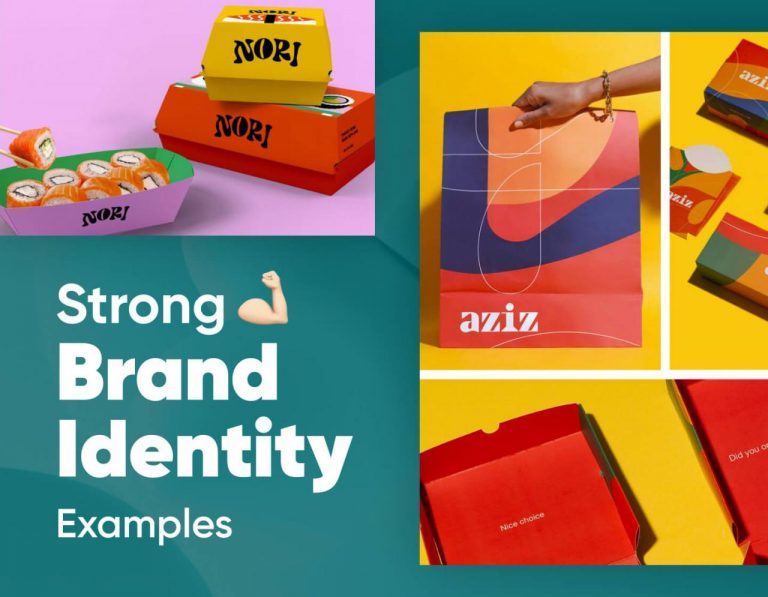
Branding iron liquor has emerged as a fascinating element within the beverage industry, blending tradition and innovation in every sip. This unique category of spirits not only offers a distinct flavor profile but also carries a rich history that traces back to its origins. From its various types to its complex production process, branding iron liquor showcases how craftsmanship and creativity intersect in the world of liquor.
As we explore this captivating subject, we’ll delve into the various aspects that make branding iron liquor a standout choice for enthusiasts and casual drinkers alike. With its diverse offerings and cultural significance, there’s much to uncover about the impact and trends surrounding this spirited beverage.
Branding Iron Liquor Overview
Branding Iron Liquor represents a unique segment within the beverage industry, characterized by its distinctive production process and cultural significance. This category of liquor not only embodies craftsmanship but also reflects the passion and heritage of its makers. As consumers increasingly seek authentic and quality-driven products, Branding Iron Liquor has carved out its niche in the marketplace.The origins of Branding Iron Liquor can be traced back to the traditions of distillation dating back centuries.
Initially, the process was rudimentary, often conducted in small batches by local artisans who infused their own styles and flavors into the liquor. Over time, as the art of distillation evolved, branding iron liquor began to emerge as a recognized category, gaining traction during the early 20th century. Its unique branding techniques, which often involve the use of custom iron stamps to mark barrels or bottles, have also contributed to its distinct identity.
Types of Branding Iron Liquor
Understanding the various types of Branding Iron Liquor available in the market is crucial for consumers looking to explore this intriguing category. Each type offers a unique flavor profile and experience, appealing to a diverse range of palates. The following are notable categories of Branding Iron Liquor:
- Whiskey: A staple in the Branding Iron category, whiskey is often aged in charred barrels, imparting rich flavors. Varieties include bourbon, rye, and single malt, each with distinct characteristics shaped by their ingredients and production methods.
- Rum: Known for its sweet and fruity notes, Branding Iron rum is often crafted from high-quality sugarcane. It can be enjoyed neat, in cocktails, or even as part of culinary creations.
- Gin: This spirit is celebrated for its botanical infusions, which can include herbs, spices, and fruits. Branding Iron gin is sought after for its fresh and aromatic qualities, making it a favorite in cocktails.
- Vodka: Known for its purity and versatility, Branding Iron vodka is distilled with precision to achieve a clean taste, often enjoyed straight or in mixed drinks.
- Tequila: Made from the blue agave plant, Branding Iron tequila offers a robust and earthy flavor profile. It’s particularly popular in cocktails or enjoyed as a sipping spirit.
The appeal of Branding Iron Liquor lies in its commitment to quality and tradition, drawing from historical methods while embracing modern advancements. The choice of liquor can greatly influence the drinking experience, making it essential for enthusiasts to explore the different types and find their preferred flavors.
“Branding Iron Liquor is not just about the drink; it’s about the story, the craftsmanship, and the culture behind it.”
Production Process
The production process for Branding Iron Liquor is a meticulous journey that combines traditional techniques with a passion for quality. Each step in the production chain is essential to ensure that the final product delivers a unique and high-quality experience to consumers. This involves selecting the right ingredients, careful fermentation, and precise distillation, all while adhering to the time-honored practices of liquor crafting.
Ingredients Used in Branding Iron Liquor
The formulation of Branding Iron Liquor primarily revolves around a select few ingredients that define its character and flavor. The choice of ingredients is crucial, influencing both the aroma and taste profile of the final product.
- Grains: Typically, corn, rye, and barley are the primary grains used, lending distinctive notes and sweetness to the liquor.
- Water: Purified water is essential, often sourced from local springs or filtered to ensure cleanliness and mineral balance.
- Yeast: Specific strains of yeast are chosen for their ability to convert sugars into alcohol efficiently, contributing to the unique flavor profile of the liquor.
- Flavoring Agents: Depending on the desired outcome, natural flavoring agents such as herbs, spices, or even fruits may be added to enhance complexity.
Fermentation and Distillation Process
Fermentation and distillation stand as the two pivotal processes in crafting Branding Iron Liquor, transforming raw ingredients into the final product. Understanding these processes provides insight into the skills and knowledge required for successful liquor-making.During fermentation, yeast plays a vital role in converting sugars derived from the grains into alcohol. The process generally unfolds as follows:
Fermentation is where the magic happens, as the yeast consumes the sugars and produces alcohol and carbon dioxide.
The typical steps include:
1. Mashing
The grains are mixed with hot water to activate enzymes that convert starches into fermentable sugars. This mash is then cooled to an optimal temperature for yeast activity.
2. Adding Yeast
Once cooled, the yeast is introduced to the mash, initiating the fermentation process. This phase typically lasts from several days to a week, depending on the recipe.
3. Monitoring
Throughout fermentation, the temperature and sugar levels are carefully monitored to maintain ideal conditions for yeast proliferation.Following fermentation, distillation is employed to separate alcohol from the fermented mash. This is a critical step that concentrates the alcohol content and enhances the flavor profile of the liquor. The distillation process consists of:
1. Heating the Mash
The fermented mash is heated in a still, allowing the alcohol to evaporate. Different alcohols evaporate at different temperatures, making it crucial to control the heat.
2. Condensation
The vapor travels through a condenser, where it cools and returns to liquid form. This liquid is collected as the distillate.
3. Cutting
Distillers make careful cuts to separate the “heads” (unwanted volatiles) from the “hearts” (desired product) and “tails” (less desirable components).The meticulous attention to detail in both fermentation and distillation ensures that Branding Iron Liquor exhibits a rich, complex flavor that stands out in a crowded market, delivering a memorable experience for all who enjoy it.
Branding and Marketing Strategies
Effective branding and marketing strategies play a crucial role in establishing a distinct identity for branding iron liquor. Companies in this niche utilize various techniques to create memorable impressions and engage consumers, ensuring that their products stand out in a competitive market. By focusing on unique aspects of the liquor, such as heritage and craftsmanship, brands can cultivate a loyal customer base while attracting new enthusiasts.One effective branding technique is storytelling, where brands connect their product to a narrative that resonates with consumers.
This can include the history behind the distillation process, the ingredients used, or stories about the artisans who create the liquor. Such narratives not only create an emotional connection but also foster a sense of authenticity and tradition.
Successful Marketing Campaigns
Successful marketing campaigns often leverage social media, influencer partnerships, and experiential marketing to boost visibility and engagement. For instance, one notable campaign involved a popular branding iron liquor brand partnering with mixologists to create signature cocktails. This collaboration not only showcased the versatility of the liquor but also involved engaging content shared across social media platforms, sparking interest among cocktail enthusiasts.Another example is a seasonal campaign centered around themed events, such as a winter holiday promotion that highlighted the warming qualities of the liquor.
This campaign featured visually stunning advertisements, engaging storytelling, and interactive social media challenges, encouraging consumers to share their own recipes and experiences.
The Role of Packaging Design
Packaging design plays a pivotal role in attracting consumers to branding iron liquor. Innovative and eye-catching packaging can differentiate a product on the shelf and convey the essence of the brand. The use of textures, colors, and materials can evoke emotions and reflect quality, thereby influencing purchasing decisions.For example, many premium brands utilize embossed labels and unique bottle shapes to create a luxurious feel, which often leads to higher perceived value.
Furthermore, incorporating sustainable materials in packaging design can appeal to environmentally conscious consumers. This trend not only enhances the brand image but also aligns with the growing demand for eco-friendly products.In summary, through effective branding techniques, innovative marketing campaigns, and attractive packaging design, companies producing branding iron liquor can effectively capture consumer attention and drive sales in a competitive marketplace.
Taste Profile and Pairing Suggestions
Branding Iron Liquor is celebrated for its unique flavor profiles that stem from meticulously crafted production processes. Each brand within the Branding Iron family showcases distinctive tasting notes influenced by the ingredients and methods employed. Master distillers carefully balance elements of sweetness, bitterness, and spice, creating spirits that cater to a variety of palates and preferences.The flavor characteristics of Branding Iron Liquor can range from rich caramel and vanilla undertones to more robust flavors like oak and smoky notes.
Some expressions may exhibit hints of dried fruits, nuts, or even herbs, adding complexity to the tasting experience. These diverse profiles not only define the liquor but also play a crucial role in determining suitable food pairings.
Food Pairings with Branding Iron Liquor
To fully appreciate the intricate flavors of Branding Iron Liquor, certain food pairings can enhance the tasting experience significantly. Choosing complementary dishes can elevate both the spirit and the meal, creating a harmonious dining experience. Below is a curated selection of food pairings that effectively complement Branding Iron Liquor:
- Grilled meats, such as steak or barbecue ribs, enhance the smoky notes often found in darker liquors.
- Rich cheeses, particularly aged cheddar or blue cheese, provide a nice contrast to the sweetness of the liquor.
- Dark chocolate desserts create a luxurious balance with the complex flavor profiles.
- Spicy dishes, like Cajun or Caribbean cuisine, interact interestingly with the liquor’s spiciness, bringing out unique nuances.
- Charcuterie boards featuring cured meats and pickled vegetables can create delightful contrasts and enhance the overall tasting experience.
Tasting Notes from Various Branding Iron Liquors
Different brands within the Branding Iron lineup present a wide variety of tasting notes, highlighting the nuances of each product. These notes serve as a guide for enthusiasts looking to explore the range of flavors available. Below is an overview of some distinct Branding Iron Liquors along with their tasting profiles:
| Brand | Tasting Notes |
|---|---|
| Branding Iron Bourbon | Notes of caramel, vanilla, and toasted oak, with a smooth finish and a hint of spice. |
| Branding Iron Rye | Spicy and robust, featuring flavors of pepper, cinnamon, and a touch of citrus zest. |
| Branding Iron Whiskey | Rich maltiness with hints of dried fruits, nuts, and a subtle smokiness that lingers. |
| Branding Iron Vodka | Clean and crisp, with a light sweetness and a smooth mouthfeel, ideal for cocktails. |
Each of these spirits provides a different tasting experience, offering opportunities for exploration and enjoyment. Whether sipped neat or mixed into a cocktail, Branding Iron Liquor’s diverse flavor profiles cater to a wide audience, making them a fantastic choice for any occasion.
Cultural Impact and Trends
Branding Iron Liquor has carved out a unique niche within social gatherings and celebrations, becoming more than just a beverage; it represents a lifestyle and a connection among people. Its distinctive flavors and branding make it a popular choice for toasting special occasions, whether it’s a casual get-together, a wedding, or a holiday celebration. The way it brings people together not only enhances the experience of sharing but also fosters a sense of community and belonging.The global landscape of liquor consumption is continually evolving, with Branding Iron Liquor at the forefront of emerging trends.
As consumers become more adventurous and discerning, the demand for high-quality, craft liquors has surged. This brand has tapped into that demand, gaining traction both locally and internationally. People are increasingly seeking authenticity and unique flavor profiles, pushing Branding Iron Liquor to adapt and innovate in response to these preferences.
Influence on Social Gatherings and Celebrations
Branding Iron Liquor significantly enhances the atmosphere of social events, making them more memorable. The brand’s image is often associated with celebration and camaraderie, which is reflected in its usage during important milestones.
Signature Cocktails
Many enthusiasts create unique cocktails using Branding Iron Liquor, adding a personal touch to their gatherings. Signature drinks featuring this liquor have turned into a trend at parties, showcasing creativity and flavor.
Themed Events
The brand’s distinct character lends itself well to themed parties. Whether it’s a Western-themed gathering or an upscale soirée, Branding Iron Liquor provides a fitting beverage that complements the overall theme.
Gift Giving
In many cultures, gifting a quality bottle of liquor, especially one like Branding Iron, is a common practice. It symbolizes appreciation and share-worthy experiences, reinforcing bonds among friends and family.
Emerging Trends in Global Consumption
The consumption of Branding Iron Liquor is being shaped by various emerging trends that reflect shifting consumer preferences. These trends indicate a growing appreciation for artisanal products and local craftsmanship.
Craft and Artisanal Focus
There is a noticeable shift toward craft liquors that are locally sourced. Consumers are increasingly interested in where their drinks come from and how they are made. Branding Iron Liquor’s emphasis on quality ingredients and traditional production methods resonates well with this demographic.
Sustainable Practices
As environmental awareness rises, many consumers prefer brands that prioritize sustainability. Branding Iron Liquor has embraced eco-friendly practices, which appeal to a conscientious audience that values ethical consumption.
Health-Conscious Choices
With a growing trend towards health-conscious drinking, lighter variations and lower-alcohol options from Branding Iron Liquor cater to this demand without compromising on taste or experience.
Popularity Across Different Cultures and Regions
The popularity of Branding Iron Liquor varies across cultures and regions, influenced by local traditions and drinking habits.
North America
In the United States, Branding Iron Liquor has found a strong following, particularly in social settings like barbecues and sports events, where it complements hearty foods and lively gatherings.
Europe
In several European countries, this liquor is gaining traction among cocktail enthusiasts who appreciate its versatility in mixology. It is often featured in trendy bars that focus on innovative drink recipes.
Asia
Branding Iron Liquor is slowly making its mark in Asian markets, where the demand for unique liquors is rising. Local adaptations and fusion cocktails incorporating this liquor are becoming increasingly popular, reflecting the region’s diverse culinary landscape.The cultural impact and trends surrounding Branding Iron Liquor highlight its role in enhancing social experiences, reflecting changing consumer preferences, and its ability to cross cultural boundaries.
This contribution to social interactions and celebrations emphasizes the importance of quality and tradition, ensuring its place in the global liquor market.
Regulations and Legal Considerations
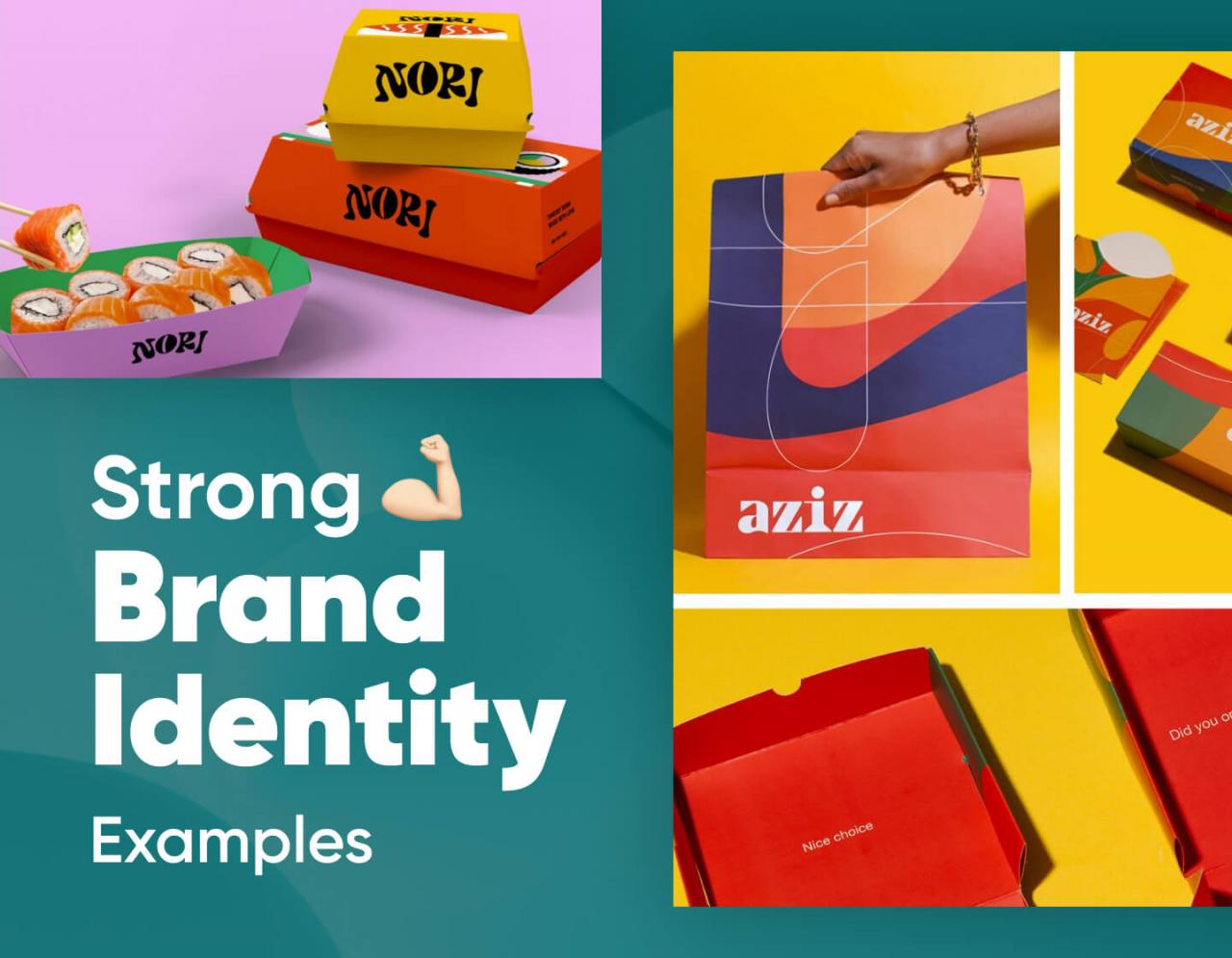
The production and sale of Branding Iron Liquor are subject to a comprehensive set of regulations and legal considerations that ensure compliance, safety, and consumer protection. These regulations vary significantly across different regions and countries, influenced by local laws and cultural perspectives on alcohol consumption. Understanding these legal frameworks is essential for producers and distributors in navigating the complexities of the liquor industry.
Legal Regulations Surrounding Production and Sale
The legal landscape for Branding Iron Liquor encompasses several layers of regulations, which include federal, state, and local laws. In the United States, for example, the Alcohol and Tobacco Tax and Trade Bureau (TTB) oversees the production, distribution, and advertising of alcoholic beverages. Key regulations include:
- Licensing Requirements: Producers must acquire the proper licenses, including a federal distiller’s permit and individual state permits for distribution and sales.
- Health and Safety Standards: Facilities must adhere to strict health codes to ensure the safe production of liquor, including sanitation practices and quality control measures.
- Tax Compliance: The government imposes excise taxes on alcoholic beverages, which producers must accurately report and pay.
Labeling Requirements for Branding Iron Liquor
Labeling is integral to the marketing and distribution of Branding Iron Liquor. It provides essential information for consumers and ensures compliance with legal standards. Regulatory bodies, such as the TTB in the U.S., enforce specific labeling guidelines that must be followed. The key elements of labeling requirements include:
- Brand Name: The label must prominently display the brand name, which must not be misleading.
- Alcohol Content: The label must indicate the alcoholic strength by volume (ABV), required for consumer awareness.
- Health Warnings: A government-mandated health warning regarding alcohol consumption must be included.
- Ingredients Disclosure: Some regions require listing all ingredients used in the production of the liquor.
International Trade Regulations
Different countries have their own unique laws governing the trade of Branding Iron Liquor, impacting how it is produced, marketed, and sold internationally. A brief overview of notable regulations in various regions includes:
- European Union: The EU has stringent regulations on labeling, production practices, and advertising, enforced to protect consumers and ensure fair trade.
- Australia: In Australia, liquor sales are regulated at the state level, with specific laws regarding distribution channels and advertising standards.
- Asia: Countries like Japan and China have traditional liquor laws that may require adherence to local customs and practices, along with modern regulatory frameworks.
“Legal compliance in the liquor industry is not just about following the rules; it’s about building trust with consumers and stakeholders.”
Consumer Insights and Demographics
Understanding the target audience for Branding Iron Liquor is essential for effective marketing strategies and product development. This segment focuses on identifying who the consumers are, their preferences, and how demographic factors influence their buying behaviors. By examining these elements, Branding Iron Liquor can tailor its approach to better resonate with its audience, ultimately enhancing brand loyalty and market presence.
Target Audience for Branding Iron Liquor
The primary consumers of Branding Iron Liquor consist of individuals who appreciate high-quality spirits, often with a preference for unique flavors and artisanal production methods. The target audience typically includes:
- Age Range: Most consumers fall within the 25-45 age bracket, a demographic known for seeking premium products and unique experiences.
- Income Level: Middle to upper-middle-class individuals who have disposable income to spend on premium liquor.
- Geographic Location: Urban and suburban areas where craft liquor trends are more prevalent.
- Gender: While traditionally male-dominated, there’s a growing female segment that actively engages in the spirits market.
Consumer Preferences and Behavior
When it comes to purchasing Branding Iron Liquor, consumers exhibit distinct preferences and behaviors that influence their choices. These preferences include:
- Brand Loyalty: Many consumers exhibit strong loyalty to brands that align with their values, such as sustainability and quality craftsmanship.
- Taste Exploration: There’s a notable trend of consumers eager to explore diverse flavors, often trying new offerings and limited editions.
- Social Influence: Recommendations from friends, social media, and influencers play a significant role in shaping purchasing decisions.
- Experiential Engagement: Consumers are drawn to brands that provide tasting events, distillery tours, and interactive experiences that enhance their connection to the product.
Demographic Profile of Consumers
Crafting a detailed demographic profile reveals insights into the typical consumers of Branding Iron Liquor. The profile includes:
- Profession: Many consumers are professionals, including those in creative fields, tech industries, and hospitality, who appreciate the finer things in life.
- Education Level: A majority hold at least a college degree, often correlating with a higher appreciation for quality and craftsmanship.
- Lifestyle Preferences: Consumers tend to favor a lifestyle that embraces culinary experiences, travel, and social gatherings, often seeking liquors that complement these activities.
- Cultural Engagement: Individuals within this demographic often engage with cultural trends, particularly those related to food and beverage, making them more likely to seek out and support brands that resonate with their interests.
“Understanding consumer insights not only drives sales but also fosters brand loyalty and deeper connections with the audience.”
Future of Branding Iron Liquor
The future of Branding Iron Liquor looks promising, with a landscape ripe for innovation and growth. As the spirits industry evolves, opportunities for enhancement in production methods and marketing strategies will shape the trajectory of this brand. By embracing trends and consumer preferences, Branding Iron Liquor can position itself favorably in a competitive market. This section delves into potential innovations, anticipated market trends, and the increasing emphasis on sustainability within the sector.
Potential Innovations in Production
Innovations in production processes are set to redefine the quality and appeal of Branding Iron Liquor. By integrating advanced technologies, the brand can enhance its offerings. Key innovations likely to emerge include:
- Automated Distillation Techniques: Utilizing state-of-the-art distillation equipment could improve consistency and efficiency, leading to a more refined product.
- Flavor Infusion Technology: New methods for flavor extraction could allow for unique taste profiles, tapping into emerging trends like botanicals and exotic fruits.
- Data-Driven Production: Implementing big data analytics for consumer preferences can guide production adjustments, ensuring the brand stays aligned with market demands.
Anticipated Market Growth and Trends
The spirits market is projected to experience substantial growth, with Branding Iron Liquor poised to capitalize on several key trends. As consumers shift towards premium and artisanal products, the following trends are anticipated:
- Increased Demand for Craft Spirits: The craft movement is expected to continue gaining momentum, with consumers seeking authentic experiences and high-quality products.
- Health-Conscious Choices: A rise in demand for lower-alcohol and organic spirits reflects changing consumer attitudes towards health and wellness.
- Online Sales Expansion: E-commerce platforms are projected to become increasingly important for liquor sales, providing brands with direct access to consumers.
Impact of Sustainability on the Sector
Sustainability is becoming a critical focus within the liquor industry. Branding Iron Liquor can leverage this movement by adopting environmentally friendly practices that resonate with modern consumers. Key areas of focus include:
- Sourcing Local Ingredients: Utilizing locally sourced materials not only reduces carbon footprints but also supports regional economies.
- Eco-Friendly Packaging: Transitioning to recyclable or biodegradable packaging solutions aligns with consumer preferences, enhancing brand image.
- Water Conservation Practices: Implementing water-efficient processes during production can significantly lessen the environmental impact.
“Sustainability is not just a trend; it’s a necessary evolution in the spirits industry, and brands like Branding Iron Liquor are leading the way.”
Conclusive Thoughts
In conclusion, branding iron liquor stands as a testament to the artistry of distilling and the richness of cultural traditions. Whether enjoyed at social gatherings or savored in quiet moments, it continues to influence global drinking habits and trends. As we look towards the future, the evolving landscape of branding iron liquor promises exciting innovations and a deeper connection to sustainability, ensuring that this spirited journey is far from over.
FAQ Resource
What is branding iron liquor?
Branding iron liquor refers to a unique category of spirits known for their distinctive flavors and production techniques.
How is branding iron liquor made?
The production involves specific ingredients, fermentation, and distillation processes that contribute to its unique character.
What are some popular types of branding iron liquor?
Some popular types include various flavored liquors, whiskeys, and specialty spirits that cater to diverse tastes.
How should branding iron liquor be paired with food?
It pairs well with a variety of foods, with specific combinations enhancing the tasting experience.
Are there any specific regulations for branding iron liquor?
Yes, there are legal regulations and labeling requirements that govern its production and sale in many countries.