April 21, 2026

Year: 2025

Buying Bitcoin with gift cards is a growing trend, but using a Walmart gift card specifically presents unique considerations. This exploration delves into the process, highlighting the advantages and disadvantages, and addressing the practical steps involved in such a transaction.

Navigating the world of cryptocurrency can be tricky, and understanding the specifics of using gift cards like Walmart’s for Bitcoin purchases is crucial. This guide simplifies the process and helps you make informed decisions.

Understanding Bitcoin Transactions
How To Buy Bitcoin With Amazon Gift Card - Best Shopping Guide

Bitcoin transactions are the lifeblood of the Bitcoin network, enabling the transfer of value between users. These transactions are secured and transparent, recorded on a public ledger called the blockchain. Understanding how they work is crucial for anyone interacting with Bitcoin.Bitcoin transactions are fundamentally peer-to-peer, meaning they don’t involve intermediaries like banks. This decentralized nature is a core tenet of Bitcoin’s design, providing greater financial autonomy to users.

However, this also means understanding the specific processes and mechanisms is vital for smooth operations.

Bitcoin Transaction Process

Bitcoin transactions are based on cryptographic principles, ensuring security and immutability. A transaction involves a sender, a recipient, and a specified amount of Bitcoin. Crucially, these transactions are validated by the Bitcoin network, a process involving miners who verify the transaction’s legitimacy.

Types of Bitcoin Transactions

Bitcoin transactions primarily fall into two categories:

  • Simple Peer-to-Peer Transfers: These are the most common type of transaction, involving direct transfers between users. They are typically used for sending small to moderate amounts of Bitcoin.
  • Complex Transactions Involving Multiple Outputs: These transactions might involve splitting the payment among multiple recipients or incorporating other conditions. Such complexity arises in various scenarios like splitting payments or facilitating complex financial arrangements within the Bitcoin ecosystem.

Role of Wallets in Bitcoin Transactions

Bitcoin wallets serve as digital repositories for Bitcoin. They facilitate the creation and management of Bitcoin addresses, enabling sending and receiving transactions. Different wallet types offer varying levels of security and functionality. Some popular wallet types include desktop wallets, mobile wallets, and online wallets. Each type caters to specific user needs and risk tolerances.

Steps Involved in Sending and Receiving Bitcoin

The process of sending and receiving Bitcoin typically involves the following steps:

  1. Generating a Bitcoin Address: The sender generates a unique address for receiving Bitcoin. This address is like a bank account in the Bitcoin network.
  2. Creating the Transaction: The sender inputs the recipient’s address and the desired amount. Crucially, the transaction includes the sender’s digital signature for authentication.
  3. Broadcasting the Transaction: The transaction is broadcast to the Bitcoin network, where miners verify and include it in a block of transactions.
  4. Confirmation of Transaction: Once a transaction is confirmed, it is considered final and the Bitcoin is transferred to the recipient.
  5. Receiving the Bitcoin: The recipient confirms the transaction has been completed and the Bitcoin is available in their wallet.

Comparison of Bitcoin Transaction Methods

The following table compares common Bitcoin transaction methods, highlighting key characteristics:

Transaction Method Description Security Speed Fees
Peer-to-Peer (P2P) Direct transfers between users. High, relying on cryptography. Variable, depending on network congestion. Generally lower than exchanges.
Bitcoin Exchanges Facilitates trading of Bitcoin with other cryptocurrencies or fiat currencies. Moderate, subject to exchange security measures. Generally faster due to centralized processing. Higher than P2P, depending on the exchange and transaction volume.

Bitcoin Exchanges and Platforms

Bitcoin exchanges are crucial gateways for buying, selling, and trading Bitcoin. These platforms facilitate transactions between buyers and sellers, providing a vital link in the cryptocurrency ecosystem. Navigating these platforms requires understanding the different options available and the security measures in place.Choosing a reputable exchange is paramount to ensuring a safe and smooth trading experience. The security of your funds and personal information is paramount.

Different platforms offer varying features, including fees, transaction speeds, and user interfaces.

Popular Bitcoin Exchanges

Several prominent platforms cater to Bitcoin trading. Notable examples include Coinbase, Kraken, Binance, and Gemini. Each platform has its own strengths and weaknesses, making it important to research and compare based on individual needs.

Security Measures on Bitcoin Exchanges

Security is a top priority for reputable exchanges. Robust security measures are employed to protect user funds and personal data. These measures often include multi-factor authentication, encryption protocols, cold storage, and advanced fraud detection systems. For instance, Coinbase utilizes multiple layers of security to safeguard user accounts, including two-factor authentication and encryption of sensitive data.

Comparing Exchange Platforms

Different exchanges offer various features and functionalities. Comparing platforms based on fees, transaction speeds, and user interfaces is crucial. Some platforms might offer lower fees for higher transaction volumes, while others might prioritize speed.

Fees and Transaction Speeds

Bitcoin exchange fees vary significantly. Some exchanges charge a percentage of the transaction amount, while others might have fixed fees or tiered structures based on transaction volume. Transaction speeds also differ, with some exchanges processing transactions faster than others. For example, Binance is known for its high transaction volume and relatively fast speeds, while Coinbase prioritizes user experience and may have slightly slower transaction times.

User Interface and Ease of Use

The user interface (UI) of an exchange can significantly impact the trading experience. A well-designed UI facilitates navigation and transaction execution. Factors like ease of account creation, clarity of trading tools, and customer support availability are important considerations.

Importance of Reputable Exchanges

Choosing a reputable exchange is essential for protecting your investment. Reputable exchanges typically adhere to stringent security protocols, comply with regulations, and offer robust customer support. Exchanges with a history of financial stability and transparency are preferred. A lack of regulation or transparency can be a major red flag.

Pros and Cons of Different Exchanges

Exchange Pros Cons
Coinbase User-friendly interface, regulated in many jurisdictions, strong security Limited trading options, higher fees compared to some competitors
Kraken Wide range of trading options, advanced charting tools, competitive fees for high-volume traders Steeper learning curve, potentially less user-friendly for beginners
Binance Massive liquidity, low fees for high-volume traders, wide range of cryptocurrencies Potentially higher risk due to large volume, regulatory concerns in some regions
Gemini Strong security measures, user-friendly interface, regulated in the US Limited trading options compared to other exchanges

Buying Bitcoin with Gift Cards

Using gift cards to purchase Bitcoin presents a unique approach, but it’s crucial to understand the intricacies and potential drawbacks before engaging in such transactions. This method, while sometimes convenient, carries inherent limitations and risks compared to more traditional methods. Understanding these factors is vital for responsible Bitcoin acquisition.

Process Overview

The process of buying Bitcoin with gift cards typically involves a few steps. First, you need to locate a Bitcoin exchange or platform that accepts gift cards as payment. These platforms often have specific gift card types they support. Once you’ve identified a suitable platform, you’ll select the desired amount of Bitcoin and proceed with the gift card payment.

The platform will typically verify the gift card’s validity and then deposit the equivalent Bitcoin into your account.

Limitations and Risks

Several limitations and risks are associated with using gift cards to buy Bitcoin. Gift cards often have expiration dates, and exceeding the designated value on the card can lead to a transaction failure. Additionally, the recipient of the gift card may not be aware of the intended use of the card, potentially leading to complications or issues with the gift card issuer.

Furthermore, the lack of buyer protection for gift card transactions could expose users to fraudulent activities or unauthorized access. There is a possibility that the exchange platform may not support all gift card types or may impose transaction fees.

Comparison to Other Methods

Compared to alternative methods like bank transfers or credit card payments, buying Bitcoin with gift cards presents distinct advantages and disadvantages. Bank transfers, for instance, offer a more secure and straightforward process, with typically lower transaction fees and better buyer protection. Credit cards provide similar convenience but might come with higher fees and potentially higher risk of fraudulent charges.

Gift card transactions, while sometimes convenient, often carry more risk due to the potential for expiration dates, fraud, and limited buyer protection.

Role of Gift Card Providers

Gift card providers play a critical role in Bitcoin transactions when gift cards are used. Their role extends to verifying the authenticity and validity of the gift card. Gift card providers also handle any issues related to the gift card, such as expiration or invalidity. Their involvement ensures a certain level of legitimacy and helps in preventing fraudulent transactions.

Ultimately, the reliability of the gift card provider directly impacts the overall transaction process.

Common Gift Card Types

This section Artikels common gift card types usable for Bitcoin purchases. The availability and acceptance of these cards can vary greatly depending on the specific Bitcoin exchange or platform. Be sure to verify compatibility before initiating a transaction.

Gift Card Type Description
Walmart Gift Card A prepaid card issued by Walmart for use in Walmart stores and online.
Amazon Gift Card A prepaid card issued by Amazon for use in Amazon’s online store.
Starbucks Gift Card A prepaid card issued by Starbucks for use in Starbucks locations.
iTunes Gift Card A prepaid card issued by Apple for use on the iTunes store and other Apple services.
Google Play Gift Card A prepaid card issued by Google for use on the Google Play Store.

Walmart Gift Cards and Bitcoin

Using Walmart gift cards to purchase Bitcoin involves a multi-step process that requires careful consideration. The process is facilitated through intermediaries, such as cryptocurrency exchanges. Understanding the nuances of this exchange is crucial for a smooth transaction.

Process of Using a Walmart Gift Card to Buy Bitcoin

The process generally involves transferring funds from the gift card to a digital wallet or account associated with the cryptocurrency exchange. This is often done through a designated platform, and the exchange will specify the exact procedures. The specific steps will vary between platforms, but the general principle remains the same.

Pros and Cons of Purchasing Bitcoin with a Walmart Gift Card

The decision to use a Walmart gift card for Bitcoin purchases should be made after carefully weighing the advantages and disadvantages. Here’s a breakdown of the key considerations.

  • Pros: Walmart gift cards provide a convenient way to fund cryptocurrency purchases, particularly if you already possess one. They often offer a straightforward method to acquire Bitcoin, and the process can be relatively user-friendly for beginners. The ability to avoid direct bank transfers can be beneficial for privacy, though this depends on the specific exchange and their security measures.

  • Cons: Fees associated with the transaction can significantly reduce the value of the gift card. Gift cards typically have a fixed value, which may not align perfectly with the desired amount of Bitcoin. The transaction may not be immediately reflected, and delays can occur. The process may involve multiple steps and platforms, adding complexity to the overall transaction.

    The exchange rate can fluctuate, affecting the final Bitcoin amount received.

Methods for Exchanging Walmart Gift Cards for Bitcoin

Various methods facilitate the exchange of Walmart gift cards for Bitcoin. The specific method will depend on the chosen cryptocurrency exchange platform.

  • Direct Exchange: Some exchanges might directly accept Walmart gift cards as a payment method. This simplifies the transaction. The exchange will typically have instructions and stipulations concerning this method.
  • Gift Card to Wallet Transfer: The process may involve transferring funds from the gift card to a digital wallet that is compatible with the exchange platform. This intermediate step adds another layer to the transaction. The digital wallet may impose its own fees.

Potential Challenges in Using Walmart Gift Cards for Bitcoin Purchases

Several challenges may arise when using Walmart gift cards to buy Bitcoin. These challenges should be anticipated to avoid potential issues.

  • Gift Card Limitations: The value of the gift card might not precisely match the desired Bitcoin amount, resulting in either a surplus or shortfall. This discrepancy can result in additional fees.
  • Exchange Rate Fluctuations: The value of Bitcoin is constantly changing. If the exchange rate fluctuates between the time of the gift card purchase and the Bitcoin acquisition, the buyer may lose or gain value.
  • Fees and Charges: Fees for both the exchange and gift card transfer can eat into the funds available for Bitcoin purchase. These fees are typically imposed by both the exchange and the intermediary involved in the gift card transfer.
  • Security Concerns: If the exchange is not reputable, the security of the transaction is jeopardized. Users should exercise caution and ensure the exchange adheres to appropriate security protocols.

Scenario: Buying Bitcoin with a Walmart Gift Card

Imagine Sarah wants to buy Bitcoin using a $100 Walmart gift card. She selects a reputable cryptocurrency exchange that accepts Walmart gift cards. She follows the platform’s instructions, transfers the gift card balance to her account, and specifies the amount of Bitcoin she wishes to acquire. The exchange calculates the current Bitcoin price and the amount of Bitcoin she can purchase.

The exchange completes the transaction, reflecting the Bitcoin purchase in her account. However, the exchange charges a 2% fee for the transaction, resulting in Sarah receiving slightly less Bitcoin than the initial value of the gift card.

General Information About Buying Bitcoin

Bitcoin, a decentralized digital currency, emerged in 2009, challenging traditional financial systems. Its creation stemmed from a desire for a peer-to-peer electronic cash system, free from the control of banks or governments. This innovation has significantly impacted the financial landscape, fostering a new era of digital transactions.The emergence of Bitcoin and its underlying technology, blockchain, has led to a multitude of ways to acquire it.

Understanding these methods is crucial for navigating the digital currency market. From traditional exchanges to more unconventional methods, a variety of options are available to those seeking to invest in or use Bitcoin. This section will delve into the different ways to buy Bitcoin, considering various factors like security, cost, and convenience. Further, it will discuss the key factors that shape Bitcoin’s price, offering insights into market dynamics.

Bitcoin’s History and Concept

Bitcoin’s origins lie in the concept of a decentralized digital currency, aiming to eliminate the need for intermediaries in financial transactions. This is facilitated by a distributed ledger technology called blockchain, which records and verifies transactions across a network of computers. This approach provides transparency and security, while simultaneously minimizing reliance on traditional financial institutions.

Different Ways to Buy Bitcoin

Purchasing Bitcoin can be accomplished through several channels, each with its own characteristics and implications. Popular methods include exchanges, over-the-counter (OTC) markets, and, in some cases, gift cards. The selection of a method often depends on individual preferences and risk tolerance.

Comparison of Bitcoin Purchase Methods

Different approaches to acquiring Bitcoin offer varying degrees of convenience, security, and cost. A critical aspect of comparison involves the level of user support, transaction fees, and the security of the platform.

  • Exchanges: These platforms provide a centralized marketplace for buying and selling Bitcoin. They often offer a wide range of cryptocurrencies and various payment options, making them convenient for beginners. However, they can involve higher transaction fees compared to other methods, and their security is dependent on the exchange’s infrastructure.
  • Over-the-Counter (OTC) Markets: OTC markets provide a direct buying and selling method with potentially lower fees, but they often require direct interaction with a seller. This approach may be suitable for experienced users who can assess the reliability of counterparties. The lack of regulation and oversight in some OTC markets can increase the risk of scams or fraudulent activities.
  • Gift Cards: Using gift cards to buy Bitcoin involves transferring funds from the gift card to an exchange or wallet, then exchanging them for Bitcoin. This method can be useful for converting unwanted gift cards or when other payment methods are unavailable. However, gift card purchases often involve a higher transaction fee compared to direct purchases. Security considerations regarding the gift card provider and the exchange are paramount.

Factors Influencing Bitcoin’s Price

Bitcoin’s price is highly volatile, influenced by a complex interplay of factors. Market sentiment, regulatory changes, and technological advancements are all significant drivers of its price fluctuations. Furthermore, news events, investor confidence, and even the adoption rate of Bitcoin play a role in determining its value.

Table of Bitcoin Purchase Methods

Method Description Pros Cons
Exchanges Centralized platforms for buying and selling Bitcoin Wide selection of cryptocurrencies, various payment options, user-friendly interface Higher transaction fees, security risks associated with the exchange platform
OTC Markets Direct transactions between buyers and sellers Potentially lower transaction fees, greater control over the transaction Lack of regulation, increased risk of scams, requires more experience
Gift Cards Converting gift cards to Bitcoin Potentially useful for unwanted gift cards, alternative payment method Higher transaction fees, security concerns regarding the gift card provider and exchange

Security and Risks

Purchasing Bitcoin, especially with gift cards, involves inherent risks. Understanding these risks and implementing appropriate security measures is crucial for a safe transaction. Careless actions can lead to significant financial losses. A robust approach to security is essential for mitigating potential threats.Protecting your Bitcoin holdings requires a multifaceted approach, encompassing both the platform where you buy Bitcoin and the security of your personal Bitcoin wallet.

Understanding the potential pitfalls and proactive measures to avoid them is paramount. A thorough understanding of the entire process, from gift card purchase to Bitcoin storage, is vital.

Security Measures When Buying Bitcoin

Thorough due diligence is essential before engaging in any Bitcoin transaction. Scrutinize the platform’s reputation and reviews. Verify the legitimacy of the exchange or service provider. Look for reputable exchanges with strong security measures and a proven track record. Ensure the platform is compliant with relevant regulations.

Risks Involved in Purchasing Bitcoin with Gift Cards

Using gift cards for Bitcoin purchases introduces a layer of risk. The transaction often lacks the transparency and safeguards associated with traditional payment methods. Gift card providers may impose restrictions or limitations on their use, which can impact the transaction. Gift card fraud is a growing concern, making it crucial to verify the legitimacy of the gift card and the platform accepting it.

Verify the retailer’s policy regarding gift card misuse.

Protecting Yourself from Scams and Fraudulent Activities

Scammers often target Bitcoin buyers, particularly those using gift cards. Be wary of unsolicited offers or messages promising high returns. Never share your personal information or Bitcoin wallet details with untrusted sources. Verify the legitimacy of any website or platform before entering sensitive information. Report any suspicious activity to the relevant authorities.

Avoid clicking on suspicious links or downloading attachments from unknown sources.

Importance of Keeping Your Bitcoin Wallet Secure

Protecting your Bitcoin wallet is paramount. A compromised wallet can result in the loss of your Bitcoin holdings. Choose a reputable and secure Bitcoin wallet application. Use strong, unique passwords for your wallet. Enable two-factor authentication (2FA) for added security.

Regularly update your wallet software to patch security vulnerabilities. Store your seed phrase (recovery phrase) in a safe and secure location, separate from your wallet. Never share your seed phrase with anyone.

Security Best Practices for Bitcoin Transactions

  • Verify the legitimacy of the exchange or platform: Research the platform’s reputation and reviews thoroughly before proceeding with any transaction.
  • Use strong, unique passwords: Employ a combination of uppercase and lowercase letters, numbers, and symbols for each account password. Utilize a password manager for enhanced security.
  • Enable two-factor authentication (2FA): This adds an extra layer of security, requiring a second verification method beyond your password.
  • Keep your software updated: Regularly update your Bitcoin wallet and other relevant software to address security vulnerabilities.
  • Be cautious of unsolicited offers: Avoid engaging with unsolicited offers or messages promising high returns. Always verify the source of any information.
  • Do not share your seed phrase: Never disclose your seed phrase, as this gives access to your entire Bitcoin holdings.
  • Monitor your accounts regularly: Keep an eye on your Bitcoin wallet and associated accounts for any unusual activity.

Alternative Payment Methods

Beyond gift cards, various payment methods facilitate Bitcoin purchases. Understanding these options allows informed decisions regarding speed, security, and transaction costs. Each method has unique characteristics that cater to different user preferences and needs.

Direct Bank Transfers

Direct bank transfers offer a secure and straightforward way to acquire Bitcoin. This method typically involves transferring funds from your bank account to a designated Bitcoin exchange or wallet. The process generally involves providing the exchange or wallet with your bank account details for verification. This often includes bank routing numbers and account numbers, along with the necessary authorization for the transfer.

Verification steps vary across platforms.

Debit and Credit Cards

Debit and credit cards are widely used for Bitcoin purchases, often through dedicated Bitcoin exchanges. This method allows for a seamless integration into existing payment systems, making it convenient for many users. The process usually involves entering card details during the purchase process on the exchange’s platform. However, transaction fees associated with using cards can be higher compared to other methods.

Furthermore, card processing times can vary depending on the card issuer and the exchange’s processing infrastructure.

Peer-to-Peer (P2P) Transactions

Peer-to-peer (P2P) transactions allow direct exchanges between buyers and sellers. This method often involves using specific platforms that facilitate these interactions. P2P transactions can offer lower fees compared to exchanges, but the level of security varies depending on the platform and the individual involved in the transaction. Buyers should meticulously verify the seller’s reputation and the platform’s security measures before engaging in such transactions.

Users must ensure the legitimacy of the P2P platform and the seller.

Cryptocurrency Exchanges

Cryptocurrency exchanges provide a centralized platform for trading various cryptocurrencies, including Bitcoin. Many exchanges allow users to deposit and withdraw funds using various methods, including bank transfers and other cryptocurrencies. These exchanges often have a user-friendly interface and provide a wide range of trading tools. Transaction fees and exchange rates may vary depending on the exchange and the specific transaction.

A crucial aspect of using cryptocurrency exchanges is to thoroughly research and select a reputable and secure platform.

Other Payment Methods

Other methods, such as wire transfers and mobile wallets, might also be available. The specifics of these methods depend on the particular Bitcoin exchange or platform being used. Carefully evaluating the exchange’s support for specific payment methods is essential to avoid potential complications or delays.

Comparison of Payment Methods

Payment Method Speed Security Fees
Direct Bank Transfers Moderate High Low to Moderate
Debit/Credit Cards Fast Moderate Moderate to High
P2P Transactions Variable Variable Low to Moderate
Cryptocurrency Exchanges Variable Moderate to High (depending on platform) Variable
Other (Wire Transfers, Mobile Wallets) Variable Variable Variable

This table provides a general comparison, and specific details may vary based on the platform and the user’s individual circumstances.

Last Recap

In conclusion, while buying Bitcoin with a Walmart gift card is technically possible, it’s essential to weigh the risks and benefits carefully. Understanding the process, the limitations, and the alternatives will empower you to make a secure and savvy decision.

Detailed FAQs

Can I use any gift card for buying Bitcoin?

No, not all gift cards are accepted for Bitcoin purchases. Specific exchanges may have restrictions.

What are the security risks of using gift cards to buy Bitcoin?

Gift cards can be vulnerable to fraud. Always verify the legitimacy of the platform and your transaction.

Are there fees involved in using a Walmart gift card to buy Bitcoin?

Yes, fees are often associated with both the gift card exchange and the Bitcoin exchange platform.

What are the alternative methods to buy Bitcoin besides gift cards?

Alternative methods include bank transfers, credit cards, and direct purchases from exchanges.
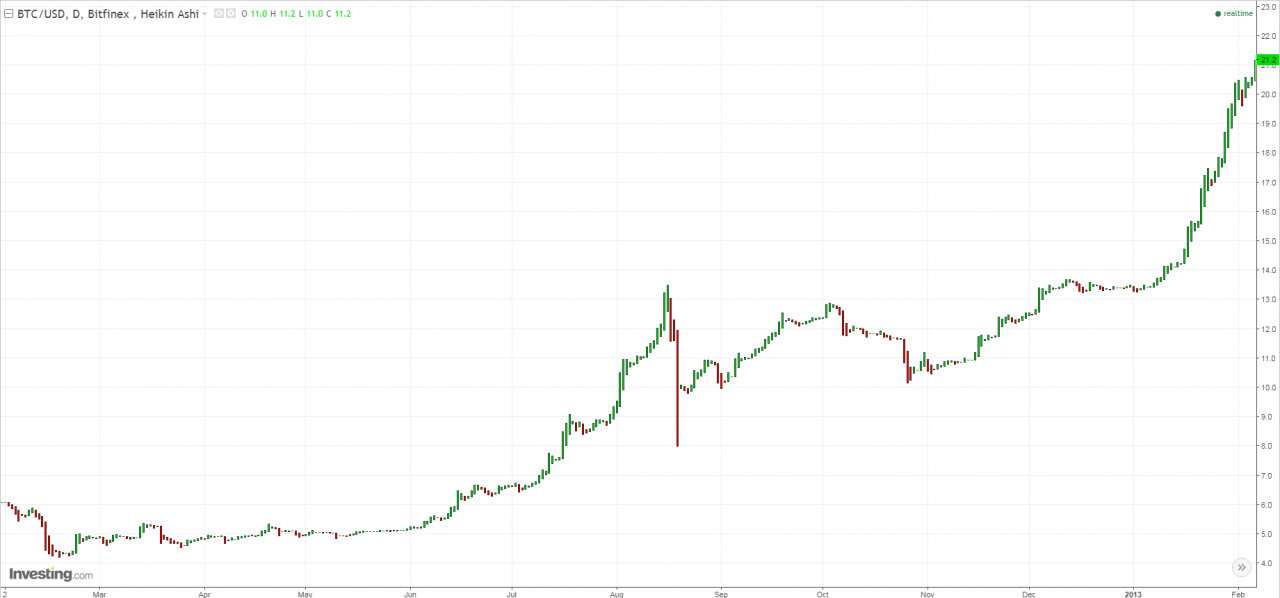
The nascent Bitcoin market of 2009 presented a starkly different landscape from today’s digital finance. Limited trading platforms and rudimentary transaction methods were the hallmarks of this early era. Understanding how people acquired Bitcoin then offers a fascinating glimpse into the genesis of this revolutionary technology.

This period was characterized by a decentralized approach, relying heavily on online forums and early adopters. The challenges faced in those early days laid the groundwork for the advancements we see in the Bitcoin ecosystem today.

Initial Bitcoin Market Conditions

The nascent Bitcoin market in 2009 presented a starkly different landscape compared to today’s sophisticated ecosystem. Limited access to trading platforms and rudimentary transaction methods characterized this early phase. Understanding these conditions is crucial for appreciating the evolution of Bitcoin’s accessibility and usage.

Early Trading Platforms and Methods

The initial Bitcoin market relied heavily on online forums and nascent exchanges. Dedicated Bitcoin trading platforms were scarce, and most transactions occurred through forums like bitcointalk.org, where early adopters connected and facilitated trades. These forums served as crucial hubs for information sharing, community building, and establishing early trading relationships. Peer-to-peer exchanges, often less formalized, also played a significant role in facilitating trades.

These platforms lacked the security and regulatory frameworks of modern exchanges, posing inherent risks for participants.

Early Bitcoin Acquisition Methods

Early Bitcoin acquisition methods were largely determined by the nascent state of the market. Users often acquired Bitcoins through exchanges or by direct transactions with other users. There was no standardized process, and the trust placed in each transaction was often based on the reputation of the parties involved within the online community.

Technological Landscape

The technological environment in 2009 profoundly influenced Bitcoin transactions. The internet, while ubiquitous, lacked the widespread adoption of sophisticated security protocols that exist today. Cryptographic security, though foundational to Bitcoin’s design, was still a relatively specialized field, with fewer resources available to the general public. The lack of user-friendly interfaces and educational resources made navigating the technology challenging for many potential participants.

Transaction verification relied on the decentralized Bitcoin network, requiring a degree of technical understanding.

Participants in the Early Market

The early Bitcoin market attracted a diverse range of individuals. Early adopters, often tech-savvy and crypto enthusiasts, were instrumental in driving the development and adoption of the technology. These individuals were frequently involved in the development and discussion of Bitcoin’s core principles, influencing the direction of the project. Early adopters were motivated by a variety of factors, including financial speculation, technological curiosity, and a desire to participate in a groundbreaking technology.

There was also a significant group of individuals drawn to the decentralized and anonymous nature of the cryptocurrency. The overall participant profile was characterized by a high degree of technical proficiency and an appetite for risk.

Early Bitcoin Exchange Platforms

The nascent Bitcoin market in its early years relied heavily on a small network of pioneering exchange platforms. These platforms served as crucial intermediaries, connecting buyers and sellers of Bitcoin, and were instrumental in the early adoption and growth of the cryptocurrency. However, these early exchanges often operated with limited resources and faced significant challenges in establishing robust security and regulatory frameworks.These initial exchanges laid the groundwork for the sophisticated and regulated platforms that exist today.

Their successes and failures provided invaluable lessons about the challenges and opportunities in the cryptocurrency market.

Early Exchange Functionalities

Early Bitcoin exchanges were essentially online marketplaces for trading Bitcoin. Their primary function was facilitating transactions between users. These platforms typically provided a user interface allowing users to view available Bitcoin listings, place buy and sell orders, and manage their Bitcoin holdings. Some platforms also offered limited support for other cryptocurrencies. The core functionalities were simple, focusing on enabling the exchange of Bitcoin.

Key Early Exchanges

Several platforms emerged as early pioneers in the Bitcoin exchange market. These exchanges varied in their features and capabilities, reflecting the evolving nature of the market. Examples included Mt. Gox, Bitstamp, and Kraken.

Challenges and Limitations

Early Bitcoin exchanges faced numerous challenges, significantly impacting their functionality and sustainability. These included limited user base, underdeveloped security measures, regulatory uncertainties, and technical glitches. The lack of robust security protocols proved particularly problematic, leading to significant security breaches and financial losses for users and platforms. Mt. Gox’s infamous 2014 collapse, a catastrophic event in the early days of the industry, highlighted the critical need for improved security and risk management.

Methods of Buying Bitcoin

Methods for acquiring Bitcoin on these early exchanges were relatively straightforward, often involving direct peer-to-peer (P2P) transactions or using alternative payment methods. Users could buy Bitcoin directly from other users or from the exchange itself, often using traditional payment methods like bank transfers. This flexibility, however, was often accompanied by risks related to trust and security.

Security Measures (or Lack Thereof)

Security measures on early exchanges were often rudimentary compared to modern standards. Many lacked robust multi-factor authentication, proper encryption, and sufficient security audits. The relative anonymity of the Bitcoin network, coupled with the nascent nature of the technology, created a challenging environment for establishing effective security protocols. The lack of security contributed to many security breaches, user losses, and ultimately, regulatory scrutiny.

The absence of a centralized authority to oversee these exchanges exacerbated the challenges and increased the risk for all participants.

Bitcoin Transactions and Procedures

The initial Bitcoin transaction landscape in 2009 was vastly different from modern systems. The lack of widespread adoption and infrastructure meant that early Bitcoin transactions relied on a decentralized and nascent network, presenting unique challenges and procedures compared to traditional financial systems. Early users were pioneers in this emerging technology, navigating a largely uncharted territory.Early Bitcoin transactions were fundamentally different from standard financial transactions.

Instead of relying on established institutions, Bitcoin transactions operated directly between users on a peer-to-peer network. This decentralized approach was both a strength and a weakness, enabling direct transactions without intermediaries but also requiring users to understand and manage the technical aspects of the process.

Early Transaction Steps

The process of purchasing Bitcoin in 2009 involved several key steps, each posing unique challenges. Users first needed to acquire Bitcoin software, typically through downloading from the project’s website. This involved setting up a digital wallet, a critical component for storing and managing Bitcoin. Once the wallet was operational, users could then initiate a transaction by specifying the recipient’s Bitcoin address.

This address served as a unique identifier for the recipient’s Bitcoin wallet, enabling the transaction.

Payment Methods

Initially, payment methods for Bitcoin purchases were quite limited. The most common method involved using existing digital currency exchanges or payment processors that accepted Bitcoin. Direct exchanges between users were possible but required a high degree of trust and careful verification of the other party. There was no widespread acceptance of Bitcoin as a payment method in retail stores, restaurants, or other businesses, and credit card processing was practically nonexistent for Bitcoin transactions at the time.

Transaction Complexities and Challenges

The Bitcoin transaction process in 2009 was far more complex than contemporary systems. The lack of user-friendly interfaces and readily available support resources meant that users had to navigate a technical landscape independently. Security was a major concern, as the system was not as robust as it is today. Issues such as wallet security, transaction confirmation delays, and potential scams were common concerns for early adopters.

Bitcoin transaction validation, which involved verifying the transaction’s authenticity and recording it on the blockchain, required a significant amount of time compared to modern transactions.

Difference from Typical Financial Transactions

Bitcoin transactions differed significantly from typical financial transactions in several aspects. Firstly, the lack of intermediaries meant that users were directly responsible for managing the security and integrity of their transactions. Secondly, the decentralized nature of Bitcoin transactions meant that there was no central authority overseeing the process. This contrasts sharply with traditional financial systems where banks and other institutions play a crucial role in verifying and settling transactions.

Finally, the volatility of Bitcoin’s value was a major consideration, and the lack of established market infrastructure led to uncertainty regarding the future value of the cryptocurrency.

The Role of Online Forums and Communities

Early Bitcoin adoption was heavily reliant on the burgeoning online communities. These platforms provided crucial support, information, and a sense of shared purpose for individuals venturing into this nascent market. The anonymity and decentralized nature of the internet fostered a unique environment for the development and growth of the cryptocurrency.

Early Bitcoin Forums and Discussion Boards

The nascent Bitcoin market was characterized by a lack of established regulatory frameworks and readily available information. This created a demand for knowledge sharing and community support, which online forums readily filled. Early forums, often hosted on platforms like forums.Bitcoin.org, became central hubs for discussion, news dissemination, and technical guidance. Users engaged in active debates about the technology, its potential, and practical application.

Facilitating Bitcoin Purchases Through Forums

Bitcoin forums served as vital marketplaces for exchange. While not formal exchanges, these forums facilitated direct peer-to-peer transactions. Users posted advertisements for buying and selling Bitcoin, and transactions were often arranged through personal communication channels. This created a rudimentary but effective mechanism for purchasing Bitcoin in the early days. Early adopters and seasoned forum members often played a crucial role in facilitating these transactions.

Types of Support and Information Shared

The forums fostered a culture of knowledge sharing. Users offered advice on technical aspects of Bitcoin, transaction procedures, and security best practices. There were discussions about the technical specifications, security considerations, and potential applications of the technology. These forums often served as a training ground for new participants, providing valuable insights into the functioning of the system.

Early adopters, often experienced with cryptography or internet technologies, were instrumental in this role, providing guidance to newcomers.

The Influence of Early Adopters

Early adopters, often possessing strong technical skills and a keen understanding of cryptography or online communities, played a significant role in shaping the Bitcoin market. Their expertise was invaluable in guiding others through the intricacies of the technology and its practical applications. These individuals often acted as mentors, sharing their knowledge and experience with newcomers. Their influence on the early Bitcoin market was undeniable.

This active community of early adopters set the stage for future development and the subsequent growth of the Bitcoin ecosystem. Their participation and influence helped solidify the Bitcoin network and attract further interest.

Buying Bitcoin in General

A look back in history of Bitcoin

Acquiring Bitcoin, a decentralized digital currency, has evolved significantly since its inception in 2009. Understanding the various methods of purchase, particularly in the early days, is crucial to appreciating the current landscape. The methods available have shifted from rudimentary peer-to-peer exchanges to sophisticated online platforms, reflecting the overall maturation of the cryptocurrency market.

The Concept of Buying Bitcoin

Buying Bitcoin involves exchanging fiat currency (like US dollars or Euros) for the cryptocurrency. This exchange happens on platforms that facilitate the transaction. Initially, this process was significantly more complex than today’s user-friendly interfaces, highlighting the evolution of the technology and the associated infrastructure.

Different Approaches for Buying Bitcoin

Early Bitcoin purchases relied heavily on direct peer-to-peer transactions, often conducted through forums and online communities. More recent methods utilize established exchanges, allowing for faster and more secure transactions. The availability of debit and credit cards, bank transfers, and other financial instruments has broadened accessibility considerably.

Comparing Methods of Acquiring Bitcoin

Early methods prioritized direct exchanges, often involving intermediaries or complex processes. Modern methods focus on established platforms offering user-friendly interfaces and security features. A key distinction lies in the level of security and the ease of access. Early Bitcoin transactions often lacked the safeguards and infrastructure of today’s exchanges.

Evolution of Bitcoin Purchase Methods

In 2009, Bitcoin acquisition was largely confined to those familiar with the technology and the nascent online communities. The lack of widespread acceptance and infrastructure meant that transactions were typically conducted in a peer-to-peer manner. Over time, exchanges emerged, providing a more structured and accessible platform for purchase. The introduction of payment processors, like Coinbase, made it easier for mainstream users to buy Bitcoin.

Early Bitcoin Exchanges vs. Modern Platforms

Feature Early Exchanges (2010-2013) Modern Exchanges (2018-Present) Key Differences
Transaction Security Often less secure, with potential for scams and vulnerabilities. Employ advanced security measures, including multi-factor authentication and robust fraud detection systems. Increased security and trust through infrastructure and regulation.
User Interface Typically less user-friendly, requiring technical expertise. Intuitive interfaces and streamlined processes, suitable for a wider range of users. Enhanced user experience and accessibility.
Payment Options Limited to bank transfers, or other specialized exchanges. Offer a variety of payment methods, including credit/debit cards, bank transfers, and more. Expanded financial instrument options, increasing accessibility.
Regulation Highly unregulated, increasing risk and complexity. Increasingly regulated, offering greater security and compliance. Improved legal and regulatory framework.

The Impact of Technological Advancements

The initial Bitcoin ecosystem relied heavily on early internet technologies and rudimentary software. This environment starkly contrasts with today’s sophisticated infrastructure and global reach. Technological advancements have profoundly shaped Bitcoin’s journey, from its nascent stages to its current form. This evolution has driven the adoption and usage of Bitcoin, making it a more accessible and widely used cryptocurrency.The technological evolution of Bitcoin is a continuous process of adaptation and innovation.

Early Bitcoin users had limited options for interacting with the network. The subsequent advancements in technology have broadened these options and made the process more efficient and user-friendly. These changes have impacted everything from the ease of transactions to the security measures implemented.

Historical Overview of Technological Evolution

Bitcoin’s technological evolution mirrors the broader advancements in computing and cryptography. The initial implementation leveraged existing technologies, including peer-to-peer networking, cryptography, and rudimentary programming languages. As the network grew, developers recognized the need for improved security, scalability, and user experience.

Significant Advancements Influencing Bitcoin’s Growth

A variety of advancements have contributed to Bitcoin’s growth. These advancements include the development of more user-friendly wallets, the emergence of sophisticated exchange platforms, and the increasing integration of Bitcoin into financial systems. Furthermore, the improvement of blockchain technology itself has led to increased transaction speeds and reduced costs. These advancements make Bitcoin more appealing to a broader range of users.

Comparison of Technological Environments (2009 vs. Today)

The technological environment in 2009 was vastly different from today’s. In 2009, internet access was less widespread, and the concept of cryptocurrencies was largely unknown. Today, internet access is ubiquitous, and the global cryptocurrency market is significantly more established. The level of sophistication in software and infrastructure has increased exponentially. Bitcoin has transitioned from a niche technology to a more mainstream financial tool.

Evolution of Bitcoin Trading Methods

Trading methods have evolved significantly alongside the technological advancements. Initially, Bitcoin trading relied on specialized forums and direct peer-to-peer transactions. The development of dedicated Bitcoin exchanges brought a more organized and structured approach to buying and selling Bitcoin. Today, sophisticated trading tools and automated platforms are common, offering a wide array of options for traders of varying experience levels.

This evolution has been driven by the increasing complexity and sophistication of the market itself.

Early Bitcoin Transactions – Illustrative Example

The early Bitcoin market, emerging in 2009, presented unique challenges for users. Transactions relied heavily on understanding the nascent technology and the limited infrastructure available. This illustrative example details a hypothetical Bitcoin purchase from that era, highlighting the complexities and limitations.

Hypothetical Bitcoin Purchase in 2009

Imagine a user, let’s call him David, wanting to purchase Bitcoin in 2009. He had access to a rudimentary online platform, likely one of the earliest Bitcoin exchanges. These exchanges were often less user-friendly than modern platforms, with limited functionality and often inconsistent service.

Methods Used

David’s purchase would likely have involved a complex series of steps. He’d need to acquire Bitcoin using an exchange, and then securely store and manage his Bitcoin holdings.

  • Digital Currency Exchange: The exchange, likely hosted on a personal server, would be a crucial part of the transaction. David would need to navigate the exchange’s interface to execute a buy order.
  • Fiat Currency Transfer: To acquire Bitcoin, David would likely transfer fiat currency (e.g., US Dollars) from his bank account to the exchange’s account. This transfer was often facilitated by a third-party payment processor.
  • Bitcoin Wallet: To store his Bitcoin, David would need a Bitcoin wallet. These wallets were often text-based or command-line interfaces; visual wallets were still in development.

Challenges Faced

The 2009 Bitcoin market presented significant hurdles. Security concerns were paramount, as exchanges were often rudimentary and not as secure as modern platforms. Furthermore, understanding the nuances of Bitcoin’s technology was a challenge.

  • Security Risks: The risk of fraud or platform failure was substantial. David needed to verify the exchange’s legitimacy and ensure his financial information was safe. There were no established security protocols for digital transactions of this nature.
  • Technical Knowledge: The technology was still in its infancy. Understanding the complexities of the Bitcoin protocol, including transaction confirmations and the blockchain, was essential. User manuals were often limited, and community forums were the primary source of support.

Illustrative Transaction Process

The process would be painstaking, likely involving several steps:

  1. David would initiate a buy order on the exchange, specifying the amount of fiat currency he wished to exchange for Bitcoin.
  2. The exchange would verify the order and, upon confirmation, initiate the transfer of fiat currency to the exchange’s account.
  3. Following the fiat transfer, the exchange would then process the Bitcoin generation and send the corresponding Bitcoin to the wallet address David provided.
  4. Finally, David would receive confirmation of the Bitcoin transaction on the blockchain, ensuring the successful completion of the transaction.

Online Tools Used

A key tool for David would have been an online Bitcoin exchange platform. Tools for managing and sending transactions were likely text-based, with command-line interfaces and forums providing critical support.

Visual Representation of Steps (Descriptive)

Imagine a simple table depicting the steps involved. The first column would list the step number. The second column would describe the action taken (e.g., “Initiate buy order on the exchange”). The third column could illustrate the relevant online interface elements (e.g., the exchange platform’s order form). Each step would be described in detail to visualize the process.

This table would help to convey the complexity of the transaction without relying on an image.

Security and Risks Associated with Early Bitcoin Purchases

The nascent Bitcoin market in 2009 presented a unique landscape, characterized by a lack of established regulatory frameworks and widespread understanding. This led to a high degree of uncertainty and risk for early adopters, with security vulnerabilities posing a significant concern. Early Bitcoin purchases were often made through rudimentary online platforms, exposing users to a variety of potential threats.The early Bitcoin ecosystem relied heavily on trust and reputation within online communities, which, while valuable, was not always a sufficient safeguard.

Consequently, early adopters had to navigate a complex and often treacherous environment, actively seeking ways to protect their digital assets.

Security Risks in Early Bitcoin Purchases

The early Bitcoin market was fraught with inherent security risks. A lack of robust security measures on exchanges and the limited understanding of Bitcoin’s underlying technology made it susceptible to attacks. Furthermore, the nascent nature of the market allowed for scams and fraudulent activities to thrive.

  1. Vulnerable Exchange Platforms: Many early Bitcoin exchanges were poorly secured, making them susceptible to hacking and theft. This resulted in substantial financial losses for users who held their Bitcoin on these platforms.
  2. Limited Knowledge of Cryptography: Understanding the cryptographic principles underpinning Bitcoin transactions was not widespread. This lack of knowledge made users vulnerable to scams and misinformation.
  3. Phishing and Scams: Sophisticated phishing attacks and fraudulent schemes targeting Bitcoin users were common. These attacks often involved creating fake websites or emails that mimicked legitimate Bitcoin platforms or services.
  4. Lack of Regulatory Oversight: The absence of regulatory frameworks to oversee the Bitcoin market allowed for fraudulent activities to flourish. This meant users had little recourse if they fell victim to scams or theft.
  5. Key Management Issues: Storing and managing private keys was a significant concern. Users often had to manually store these keys, leading to the risk of loss or compromise.
  6. Unknown Transaction Risks: The relatively unknown nature of Bitcoin transactions and the absence of clear dispute resolution mechanisms led to uncertain outcomes in case of fraudulent activities.
  7. Unreliable Third-Party Services: Users relied on various third-party services for Bitcoin transactions, including payment processors. The lack of transparency and accountability of these services created potential risks for users.

Mitigation Strategies Employed by Early Adopters

Early Bitcoin adopters proactively sought ways to minimize the risks associated with their purchases. These included utilizing strong passwords, verifying the legitimacy of websites, and carefully scrutinizing transactions.

  • Thorough Verification: Early adopters meticulously verified the legitimacy of websites and services before engaging in transactions.
  • Community Reliance: Online forums and communities served as vital resources, allowing users to share information and warnings about potential scams.
  • Secure Key Management: Some early adopters used offline wallets to safeguard their private keys from online threats. This involved storing the private keys away from the internet.
  • Due Diligence: Users conducted thorough research on potential exchanges and platforms, seeking reviews and testimonials before entrusting their funds.

Fraudulent Activities and Scams

Numerous scams and fraudulent activities targeted Bitcoin users during this period. These included elaborate schemes and simple, yet effective, deceptions.

  • Fake Exchanges: Many fake Bitcoin exchanges were created to defraud users. These sites would mimic legitimate platforms, collecting funds before disappearing.
  • Pump-and-Dump Schemes: These involved artificially inflating the price of a particular Bitcoin-related asset, then quickly selling it off, resulting in losses for investors who had purchased it at the inflated price.
  • Investment Scams: Numerous investment scams targeting Bitcoin investors emerged, promising high returns with little to no risk. These schemes typically ended with the loss of invested capital.
  • Phishing Emails and Websites: Phishing emails and websites were commonly used to steal login credentials and private keys from unsuspecting users.

Last Point

In summary, buying Bitcoin in 2009 was a significantly different experience compared to today. Early adopters navigated a complex and often insecure environment, leveraging limited exchanges, online forums, and a pioneering spirit. This early history, filled with hurdles and innovations, forms a crucial chapter in the Bitcoin story, ultimately shaping the digital currency landscape we know today.

Top FAQs

What were the most common payment methods for buying Bitcoin in 2009?

Early Bitcoin purchases often involved transferring funds through various online payment systems or direct exchanges with other users. Specific methods varied greatly depending on the exchange or individual transaction.

What security risks were associated with early Bitcoin purchases?

Security was a major concern. Exchanges often lacked robust security measures, and scams and fraudulent activities were prevalent. Users had to rely on their own due diligence and community support to navigate the risks.

How did online forums and communities play a role in Bitcoin purchases in 2009?

Forums were crucial for information sharing and facilitating transactions. Early adopters provided support, discussed security, and shared valuable insights, fostering a sense of community around the nascent cryptocurrency.

What were the key differences between early Bitcoin exchanges and modern ones?

Early exchanges were often rudimentary, lacking the sophisticated security and features of modern platforms. Modern exchanges emphasize security protocols, user experience, and broader functionality that weren’t present in the initial stages.